

Wedge Woes? How to Replace Your uPVC Window Locking Wedges
Why uPVC Window Locking Wedges Replacement Is Essential for a Tight Seal
uPVC window locking wedges replacement is a simple fix that can dramatically improve your window's seal and reduce drafts. Here's what you need to know:
Quick Answer: Replacing Your uPVC Window Locking Wedges
- Identify the wedge type - Check if you have closing wedges (in the euro-groove) or striker wedges (under the handle)
- Measure the existing wedge - Note the thickness at the center (typically 3mm-12mm) and the euro-groove width (usually 16mm)
- Remove the old wedge - Pry it off gently with a flathead screwdriver
- Install the new wedge - Push it into the euro-groove until the fixing lugs click into place
- Test the seal - Close the window and check for improved compression and no drafts
Typical cost: $3-$15 per pair | Time required: 5-10 minutes per window
If you're noticing cold drafts, more traffic noise, or climbing energy bills, the culprit might be your window's locking wedges. These small plastic parts are crucial for a tight seal. When they wear out or go missing, your window sash can't pull tightly against the frame. The rubber gaskets fail to compress, leaving gaps that let in cold air, moisture, and noise.
The good news? Replacing these wedges is one of the easiest and most cost-effective window repairs you can do yourself. You don't need special tools or professional help—just the right replacement parts and about 10 minutes per window.
In this guide, I'll walk you through everything you need to know: identifying which type of wedge your windows use, choosing the correct replacement size, and installing them properly to restore your window's seal to like-new condition.
Upvc window locking wedges replacement word guide:
What Are uPVC Window Locking Wedges and Why Do They Matter?
Think of your window like a door: you want it to seal tightly against the frame, keeping the outside elements where they belong. That's exactly what uPVC window locking wedges do for your casement windows, and they're more important than most homeowners realize.
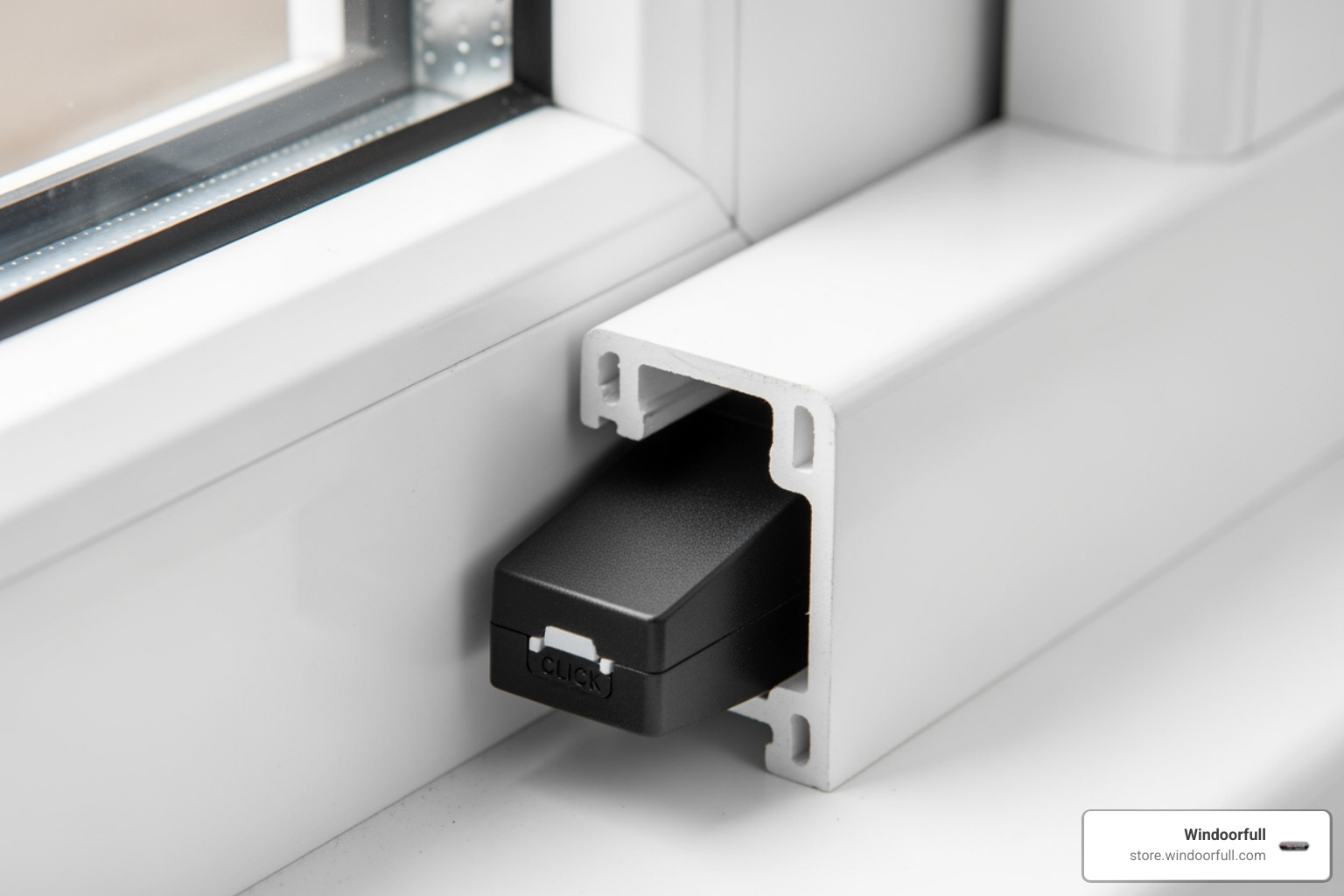
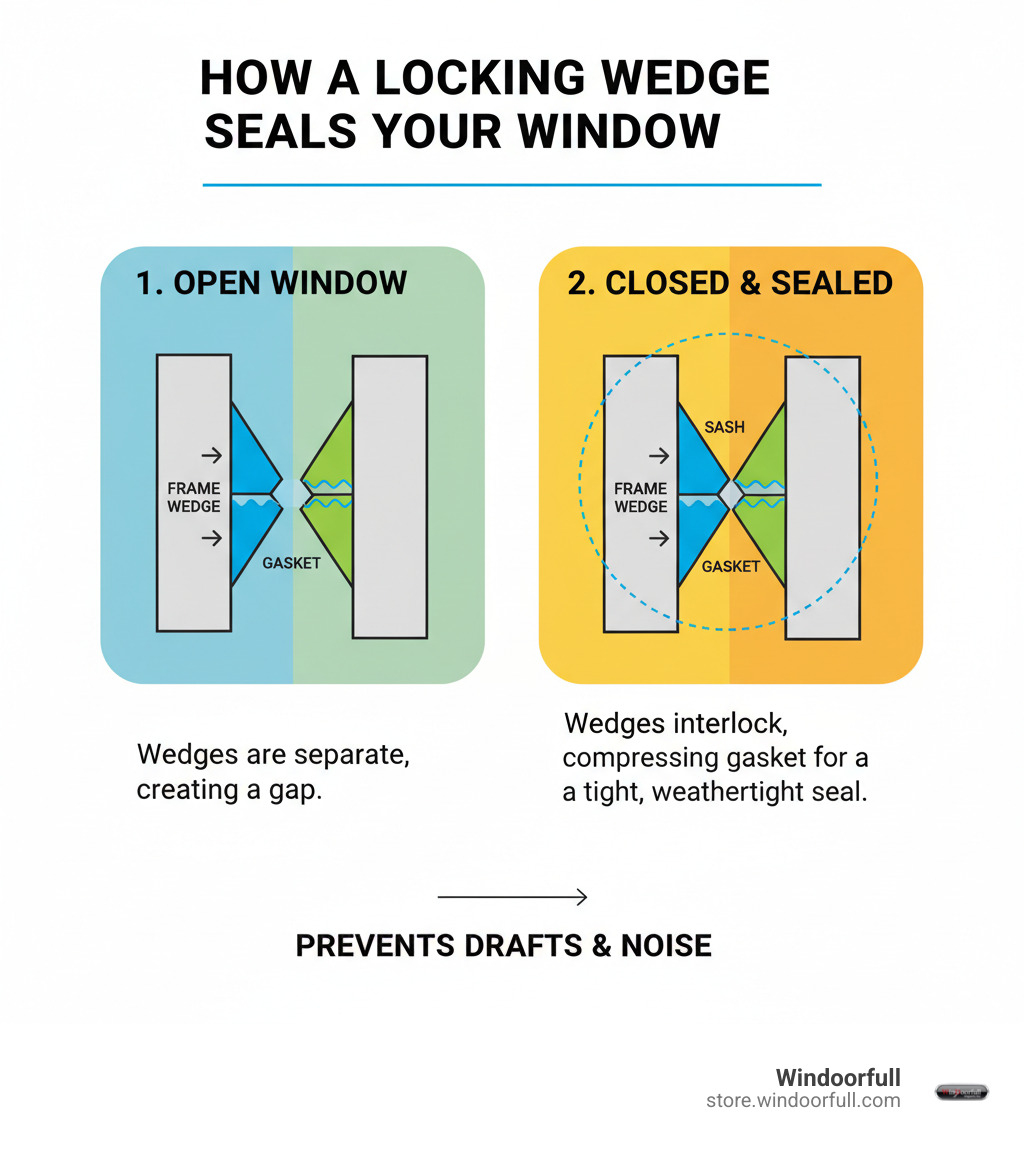
These small plastic components are the unsung heroes of window performance. Their primary job is to create positive closure by pulling your window sash firmly against the frame when you lock it. This action compresses the rubber gasket running around the frame, turning it into an effective barrier against rain, wind, and moisture. Without proper compression, the gasket is useless.
Draft prevention is where most people first notice a problem. A tiny gap between the sash and frame is enough to make a room feel chilly and increase heating bills. If you want to Beat the Breeze: How to Draft Proof Any Window, ensuring these wedges are working is the first step. On taller windows, wedges also counteract the natural tendency of the sash to bow in the middle, keeping it straight and flush against the frame.
The benefits of functioning wedges are significant. Better energy efficiency leads to lower utility bills. Improved security comes from a window that can't be easily pried open. You'll also enjoy noise reduction, as the tight seal blocks traffic and neighborhood sounds. Finally, a properly sealed sash reduces stress on hinges and locks, extending your window's lifespan. Every component matters, which is a key takeaway from The Ultimate Guide to High-Quality uPVC Windows.
How Wedges Improve Your Window's Seal
The engineering behind these wedges is clever. Most cavity closing wedges consist of two parts with opposing angled surfaces—one on the sash and one on the frame.
As the window closes, these angled surfaces slide across each other, creating a camming action that forces the sash and frame to pull together. This mechanism is critical on taller casement windows, where the middle section needs extra support to prevent bowing and ensure a consistent seal. The wedges support the window's locking mechanisms, ensuring the gasket is compressed evenly around the entire perimeter.
When locks, gaskets, and wedges work in harmony, your window performs as designed. This directly impacts your home's thermal performance. Even the best energy-efficient glass can't make up for a poor seal, which is why understanding Window Wisdom: Decoding Thermal Performance Ratings is so important.
At Windoorfull, we see how much difference a simple upvc window locking wedges replacement can make. These components are fundamental to getting the performance you paid for when you invested in quality windows.
Identifying the Correct Replacement Wedge
Before starting your uPVC window locking wedges replacement, you must identify the correct type for your windows. Using the wrong wedge will prevent a proper seal and can be a frustrating waste of time.
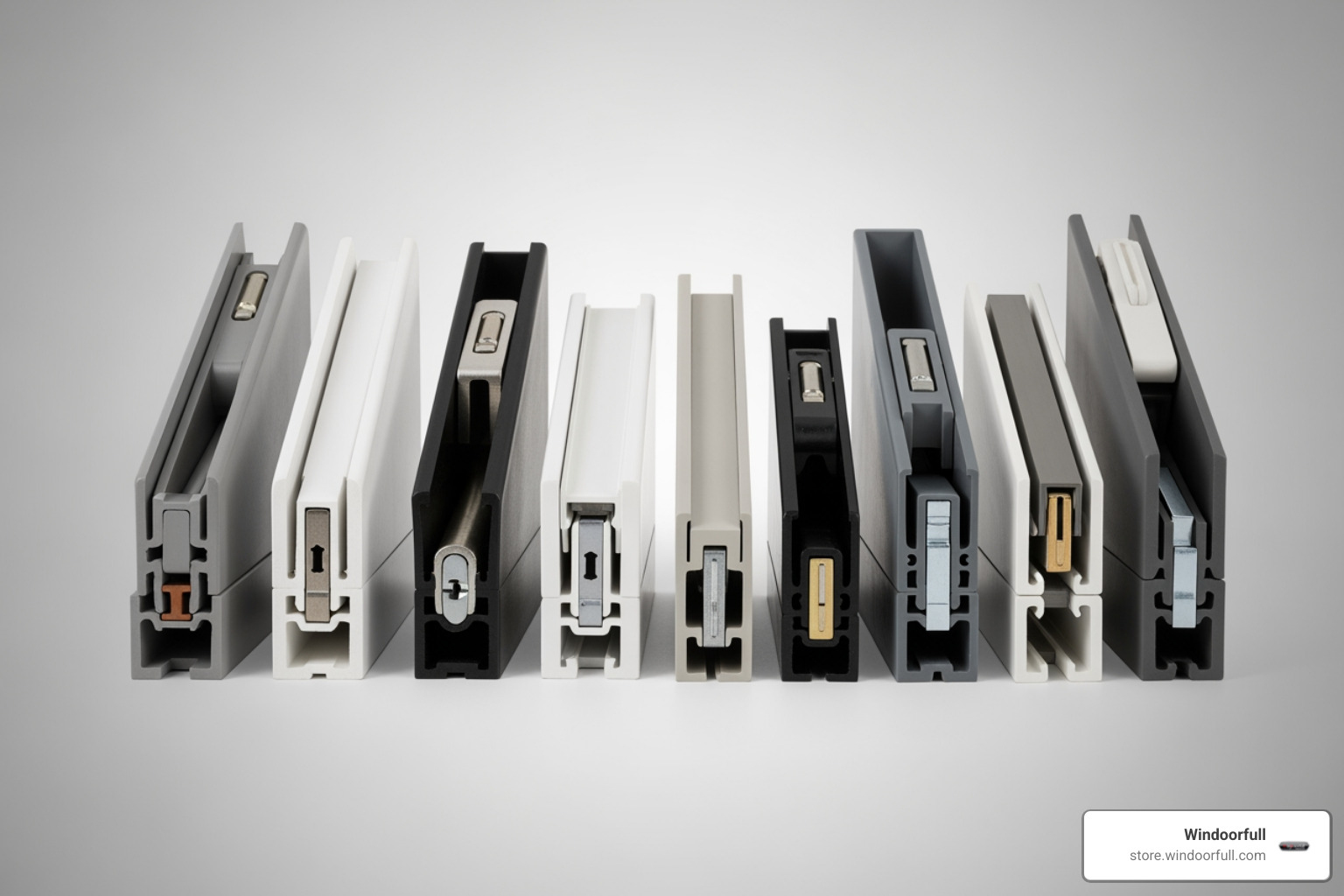
The two main types are cavity closing wedges (also called pull-in blocks) and striker wedges (used with cockspur handles). A related part is the wedge striker plate, which works with a striker wedge system.
Here's a breakdown of the key differences:
| Feature | Closing Wedges | Striker Wedges |
|---|---|---|
| Location | Installed in the euro-groove on the window sash and frame | Positioned underneath the cockspur window handle |
| Function | Pull the sash tightly against the frame to compress the gasket | Act as a strike plate for the cockspur handle's nose to engage with |
| Typical Window Type | Modern uPVC casement windows with espagnolette locks | Older uPVC, wooden, or aluminum windows with cockspur handles |
The euro-groove is a channel running along the uPVC profile that holds hardware like wedges, hinges, and locks. The standard width is 16mm, but it's wise to measure yours before ordering parts to ensure a perfect fit. Understanding your window's hardware is also helpful for other projects, like those covered in our guide to Smooth Moves: A Guide to Tilt-Turn Window and Door Hardware.
How to Choose the Right Size and Type
Selecting the correct wedge is a matter of careful measurement. Here's how to get it right:
- Identify the type: Is it a closing wedge in the euro-groove or a striker wedge under a cockspur handle?
- Measure the existing wedge: If you have one, remove it and measure its thickness (or "stack height"), which typically ranges from 2mm to 12mm.
- Check the euro-groove width: For closing wedges, confirm the width of the groove (usually 16mm) with a measuring tape or calipers.
Pro Tip: If your window seal feels weak, consider a replacement wedge that is 1-2mm thicker than the original. This can significantly improve compression and create a tighter seal.
Also, ensure you choose wedges made from UV-stable plastic, which resists becoming brittle from sun exposure, ensuring a long-lasting repair. If you're missing a wedge, measure one from a similar window or look for universal wedges that fit most systems. You can Find various window hardware parts here to explore your options.
The Difference Between Closing Wedges and Striker Wedges
While both wedges help seal a window, they function differently and are used on different window styles.
Closing wedges are the modern standard for uPVC casement windows with multi-point locks. Found in the euro-groove, they work with the locking mechanism to pull the sash tight against the frame, compressing the gasket to create a weather-tight seal. They are essential for preventing bowing on tall windows.
Striker wedges are for older windows with cockspur handles (handles with a projecting "nose"). The wedge sits on the frame, and the handle's nose presses against it to pull the window shut. This is a simpler fastening system compared to the multi-point locks on modern casement or tilt-and-turn windows. For more on window types, see our article Which Window Wins? Tilt and Turn vs. Casement Explained.
In short: if your window has a multi-point lock, you need closing wedges. If it has a cockspur handle, you need striker wedges. Getting this right is key to a successful uPVC window locking wedges replacement.
Your Step-by-Step Guide to uPVC Window Locking Wedges Replacement
Ready to fix those drafty windows? A uPVC window locking wedges replacement is a satisfying DIY project with immediate results. You don't need specialized tools—just a few basic items and about ten minutes per window.
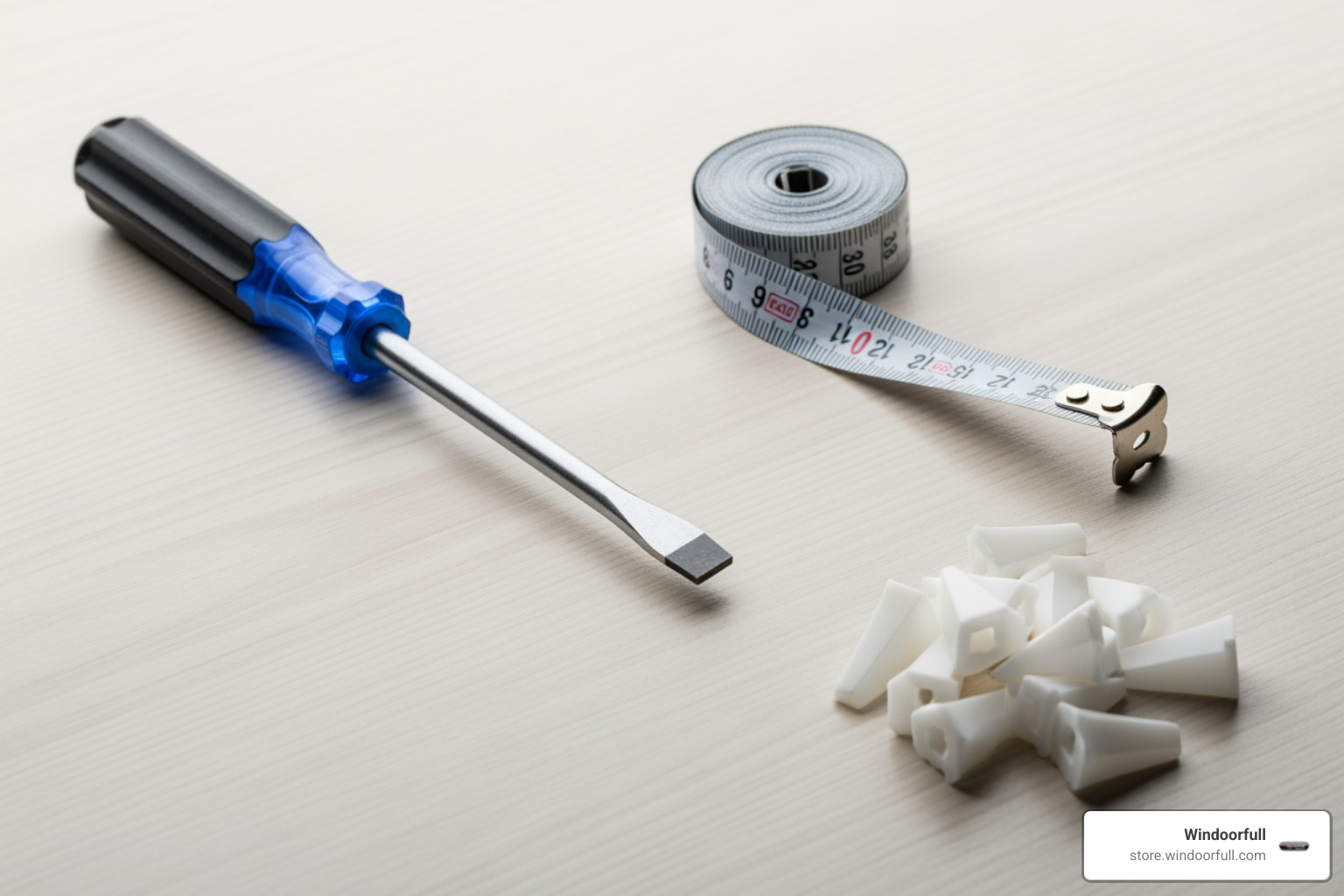
Before you start, gather your supplies: your new replacement wedges, a flathead screwdriver, a measuring tape, and a cleaning cloth. You may also need a drill with a 3mm bit if your new wedges require screws and pilot holes are not present. For safety, be careful when using tools, especially on a ladder.
This repair is far simpler than a full window replacement, such as The DIYer's Guide to Aluminium Tilt and Turn Window Installation. If you're comfortable with basic home maintenance, you can handle this easily.
Step 1: Remove the Old or Damaged Wedge
First, remove the old wedge. Open your window fully to access the edge of the sash and frame. Locate the wedge, which will be in the euro-groove (for closing wedges) or under the handle (for striker wedges).
Inspect how the wedge is attached. Most are push-fit, held by plastic lugs, while some use screws. For push-fit wedges, use a flathead screwdriver to carefully pry the wedge off. Apply gentle, gradual pressure until it pops out. If it's screwed in, simply remove the screws.
Once the wedge is out, use your cleaning cloth to wipe away any dirt or grime from the area. A clean surface ensures the new wedge will sit properly.
Step 2: Install the New Wedge
Now, install the new wedge to restore your window's seal.
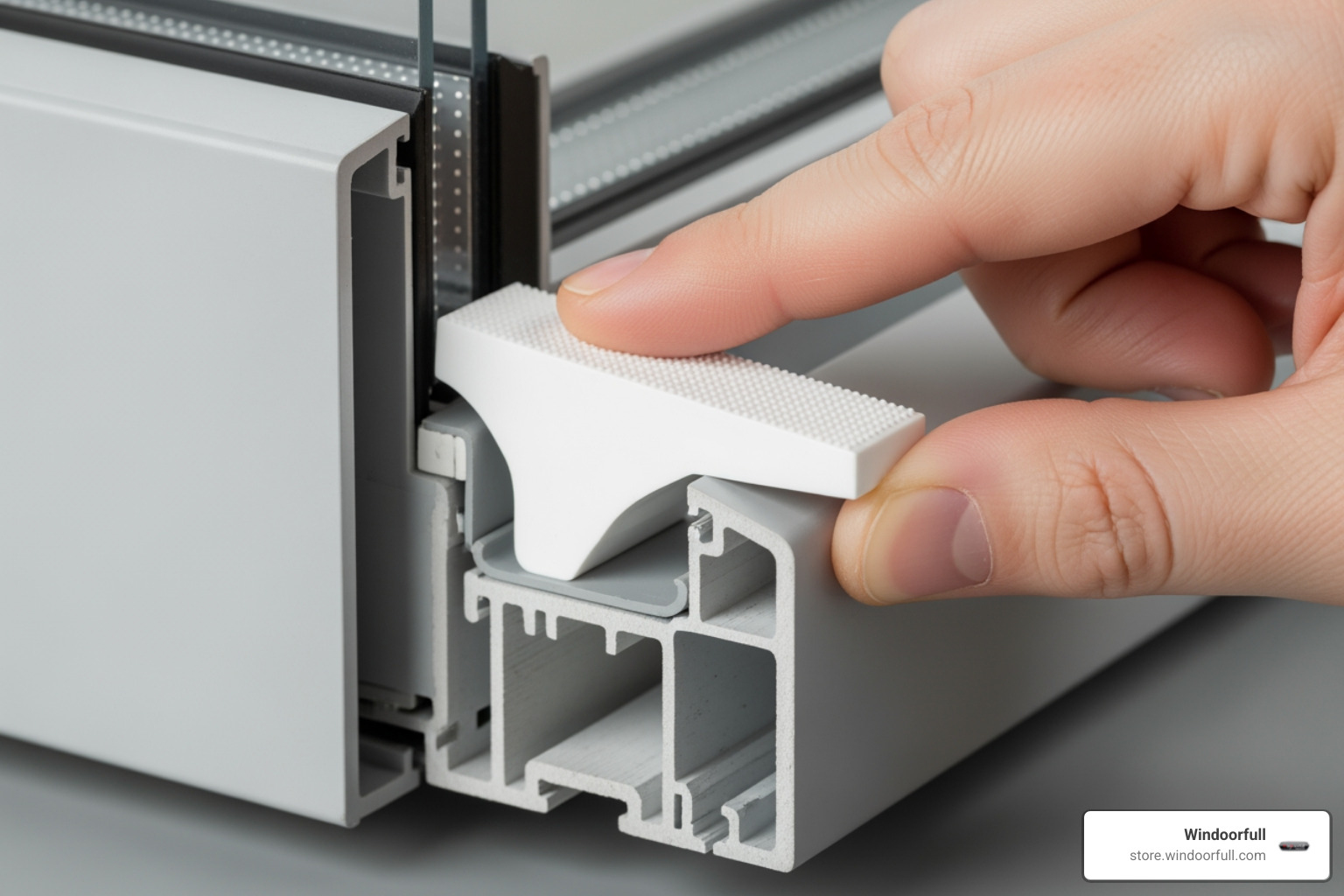
Position the new wedge, aligning its fixing lugs or screw holes with the slots in the euro-groove. For two-part closing wedges, install one half on the sash, mark its center, and transfer that mark to the outer frame to position the opposing half correctly.
For push-fit wedges, press firmly until you hear or feel the lugs click into place. The wedge should sit flush. If needed, gently tap it with a small hammer, but avoid excessive force.
If your wedges require screws, drill 3mm pilot holes first to prevent the uPVC from cracking. Hand-drive the screws until they are snug but not over-tightened, as this can deform the wedge or strip the plastic.
Before closing the window, do a quick visual check to ensure the wedge is level and properly aligned.
Step 3: Test Your uPVC window locking wedges replacement
Finally, test your work to see if the uPVC window locking wedges replacement was successful.
Close the window slowly, noticing how the sash engages the frame. It should pull in more firmly than before. Once locked, run your hand along the edge; you should feel a tighter seal with no looseness.
To check for drafts, hold a lit candle or a piece of tissue near the window's edge on a windy day. A steady flame or still tissue indicates an airtight seal. If you still feel air, check that the wedge is fully seated or consider if a thicker wedge is needed.
Open and close the window several times to ensure smooth operation. The locking mechanism should engage easily. If everything feels secure and draft-free, congratulations! You've completed a simple repair that will make your home warmer, quieter, and more energy-efficient.
Troubleshooting Common Wedge Problems
Even after a uPVC window locking wedges replacement, you might encounter issues. Most problems have simple solutions.
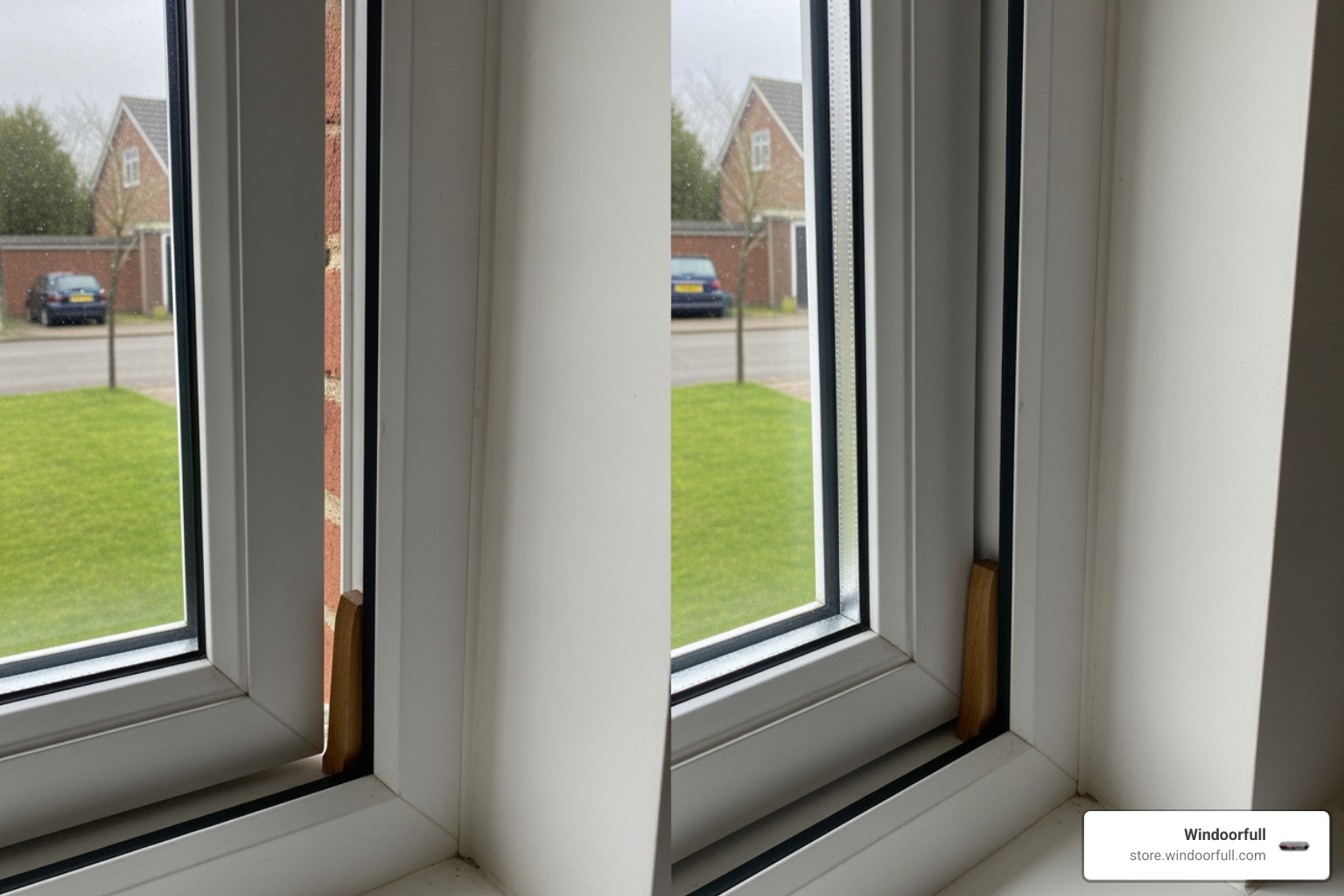
Here's what might be going wrong and how to fix it.
-
Worn or Damaged Wedges: Visible cracks, brittleness, or discoloration are clear signs of wear. A loose-feeling window, drafts, or increased noise also indicate the plastic has degraded. The solution is a straightforward replacement with new, UV-stable plastic wedges.
-
Incorrect Size: If a new wedge is too thin, it won't create enough compression, leaving drafts and a loose feel. If it's too thick, the window will be difficult to close, putting stress on the frame. If the window is still loose, try a wedge that is 1-2mm thicker. If it's too tight, go down a size.
-
Sash Bowing or Poor Alignment: On tall windows, the sash can bow in the middle, creating a gap a wedge can't close. The frame may also have shifted over time. Check that the sash and frame profiles are straight. If they are bowed, the wedge parts may not engage correctly. For significant bowing or alignment issues, you may need to adjust the window hinges or consult a professional.
-
Gaps on the Hinge Side: Closing wedges are designed to prevent this. If you still see a gap, double-check that you've installed the correct type and size of wedge and that both halves are perfectly aligned. If the gap persists, try a wedge that is 1mm thicker to increase compression.
-
Window Won't Close Tightly: If size and alignment are correct, the wedge itself might be loose. If push-fit lugs don't hold securely, a small dab of superglue on the wedge (not on moving parts) can help secure it in place.
For more general maintenance tips, our guide on Don't Get Stuck: Easy Fixes for Your Tilt-and-Turn Window covers other common issues with modern European-style windows.
Frequently Asked Questions about Window Wedges
Here are answers to common questions about your uPVC window locking wedges replacement journey.
Where can I buy replacement closing wedges?
Finding replacement closing wedges is easier than you might think. As a direct importer of European-engineered uPVC windows and accessories, Windoorfull is a premier source for high-quality parts in the USA.
You can start by exploring our online store:
- Browse a selection of window hardware
Beyond our store, you can also check:
- Large online marketplaces like eBay or Etsy, which often carry various window parts.
- Local window repair shops or distributors of uPVC window systems in your area (like our location in Ozone Park, New York).
When purchasing, always prioritize matching the type and size of your existing wedges to ensure compatibility and optimal performance.
What is the typical cost for a uPVC window locking wedges replacement?
Replacing uPVC window locking wedges is a very affordable repair. The cost depends on whether you do it yourself and how many wedges you need.
- Cost per Wedge: A pair of replacement wedges typically costs between $3 and $15.
- Pack Sizes: Wedges are often sold in packs of 2 (1 pair) or 10 (5 pairs), offering better value for multiple windows.
- DIY vs. Professional Cost: If you perform the uPVC window locking wedges replacement yourself, your only cost is the parts. This is a significant saving over hiring a professional, who would add labor charges.
- Shipping Costs: Remember to factor in shipping if ordering online, though costs for small items like wedges are usually reasonable.
In summary, a DIYer can expect to spend $5 to $20 for enough replacement wedges to fix a few windows, making this a budget-friendly home improvement.
How do I know if my locking wedges need replacing?
Your windows will give you clear signs when the locking wedges need attention. Look for these indicators:
- Visible Damage: Cracks, chips, missing pieces, or brittle, discolored plastic.
- Drafts and Cold Spots: A noticeable draft or cold area around a closed window.
- Increased Noise: More outside noise penetrating your home.
- Loose or Rattling Window: The sash feels wobbly when closed or rattles in the wind.
- Difficulty Closing: The window doesn't "pull in" and seal tightly when you lock it.
- Visible Gaps: You can see light or gaps between the sash and the frame.
Replacing worn wedges promptly will restore your window's seal, locking out cold and drafts.
Conclusion: A Simple Fix for a Warmer, More Secure Home
As this guide has shown, a uPVC window locking wedges replacement is one of the smartest, simplest investments you can make in your home's comfort and efficiency. By following these steps, you can tackle this project with confidence.
The rewards are significant: energy savings on your utility bills, improved comfort without cold drafts, and improved security from windows that seal properly. Best of all is the DIY empowerment that comes from fixing something yourself and getting it right.
These small plastic wedges play a crucial role every day, keeping your home sealed tight against the elements.
At Windoorfull, we've built our reputation on importing authentic European-engineered uPVC windows and doors. We know that even the finest windows require properly functioning hardware to perform at their best. Every component, down to the humble wedge, is essential for achieving the superior efficiency and security that our high-performance windows provide.
Whether your wedges are cracked, missing, or simply worn out, you now have the knowledge to replace them. It's a quick fix with lasting results—warmer winters, cooler summers, lower energy bills, and the peace of mind that comes from a well-sealed home.
Ready to take the next step? Whether you're refreshing your existing windows with quality parts or considering a full upgrade, we're here to help. Explore our collection of high-performance uPVC Windows and find the difference authentic European engineering can make.