

Beat the Breeze: How to Draft-Proof Any Window
Why Draft Proof Windows Are Essential for Your Home's Comfort
Draft proof windows are crucial for maintaining comfortable indoor temperatures and reducing energy costs. Here's what you need to know:
- Save 20-30% on heating and cooling bills - Studies show drafty windows can account for up to 30% of energy loss
- Eliminate cold spots - No more chilly areas near windows during winter
- Improve year-round comfort - Consistent temperatures throughout your home
- Reduce noise infiltration - Better seals block outside sounds
- Extend HVAC lifespan - Less strain on heating and cooling systems
Common Signs You Need Draft Proofing:
- Feeling cold air near windows
- Higher than expected energy bills
- Condensation between glass panes
- Visible gaps around window frames
- Difficulty maintaining consistent room temperature
That unwelcome chill creeping through your windows isn't just uncomfortable - it's costing you money. As one energy expert notes, "Even just one drafty window can reduce your heating efficiency by up to 30%." When cold air seeps in during winter or hot air infiltrates during summer, your HVAC system works overtime to maintain comfortable temperatures.
The good news? Many draft issues can be solved with simple DIY methods, while more serious problems may require upgrading to modern, energy-efficient windows. Understanding the difference helps you choose the right solution for your specific situation.
We've spent years helping homeowners upgrade to premium European-style windows that deliver superior energy efficiency. Through my work at Windoorfull, We've seen how properly sealed draft proof windows can transform a home's comfort and dramatically reduce energy costs.
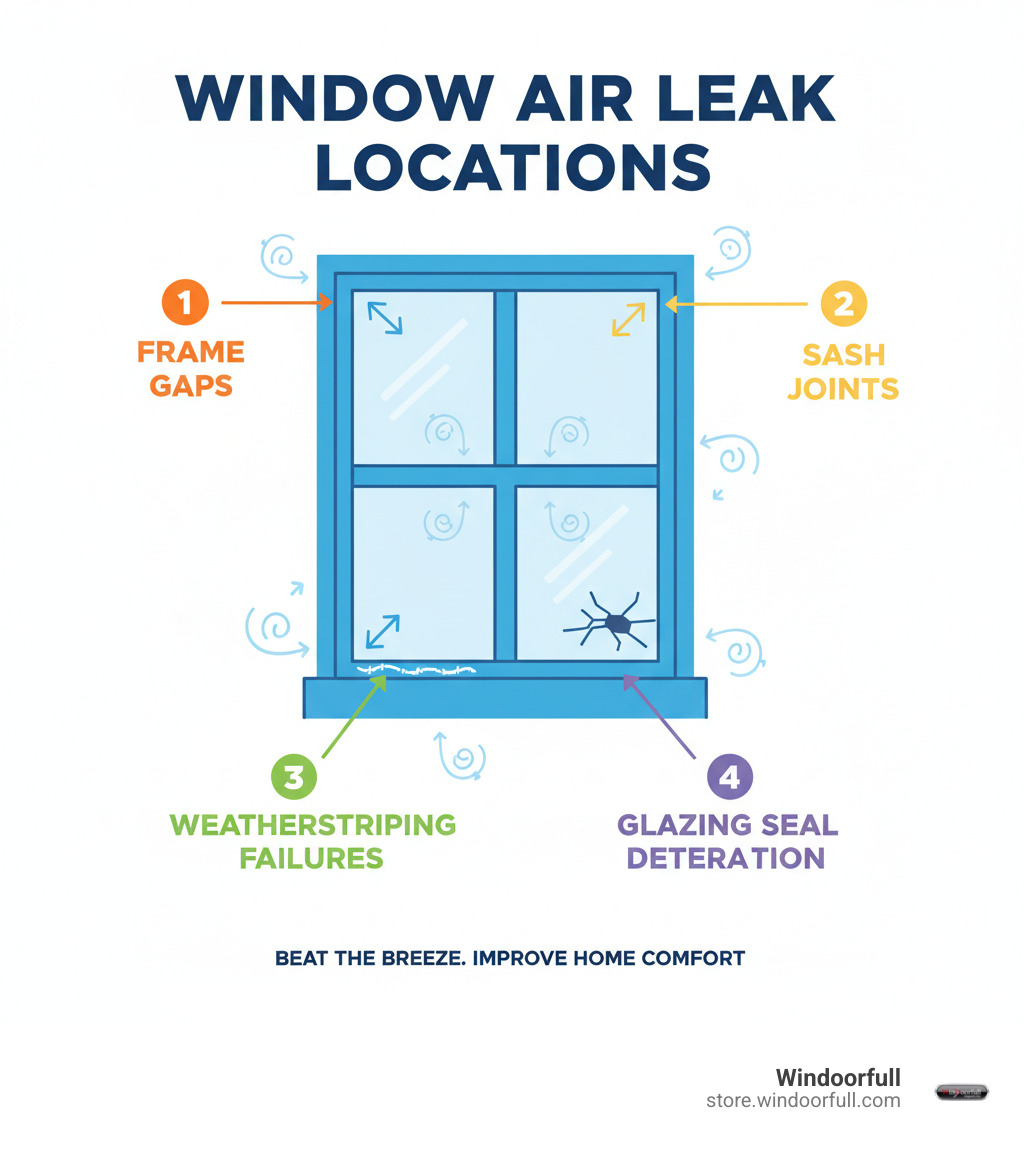
Why Your Windows Are Drafty: Uncovering the Root Causes
Ever wonder why that annoying draft keeps finding its way into your home? The truth is, draft proof windows don't just happen by accident - there's always a story behind those unwelcome breezes. Let me walk you through the most common culprits I've encountered in my years helping homeowners solve their window woes.
Aging seals are probably the biggest troublemaker. Just like everything else in your home, the materials that keep your windows sealed don't last forever. The caulk around your window frames starts to crack and shrink after years of temperature changes. Weatherstripping becomes brittle and loses its bounce. What once created a tight seal now has tiny gaps that invite cold air right in.
Poor installation can turn even a brand-new window into a drafty nightmare. I've seen perfectly good windows that leak air because they weren't installed level or because there are gaps between the frame and the wall. It's frustrating when you invest in new windows only to find they're still letting air through - but it happens more often than you'd think.
Here's where material differences really matter. Wood frames, while beautiful, are notorious for warping over time. The constant cycle of expanding and contracting with temperature changes eventually takes its toll. uPVC frames, on the other hand, stay put. They don't warp, rot, or shift like wood does, which is why we see them lasting decades without developing the same draft problems.
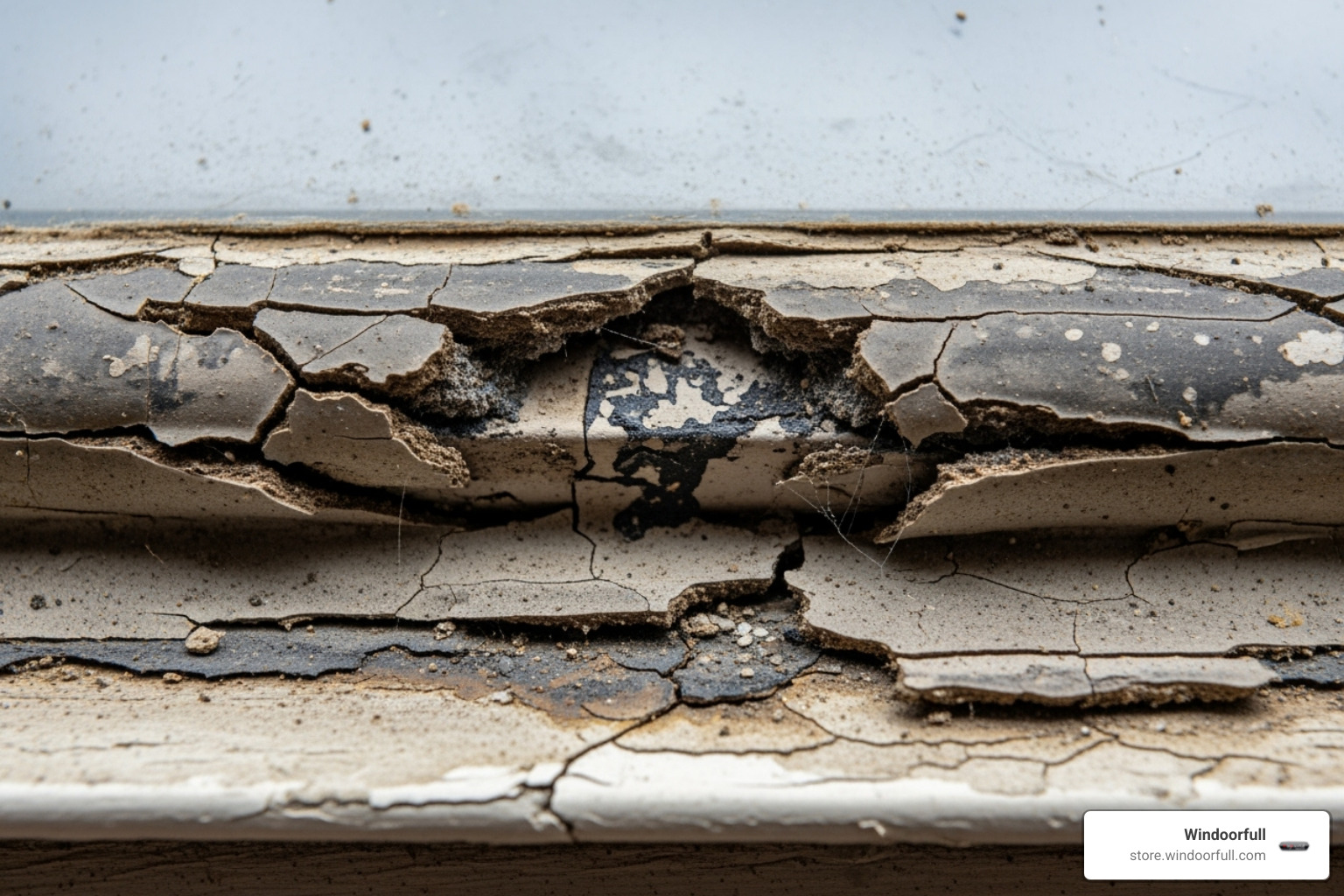
Don't forget about house settling either. Your home naturally shifts over the years, especially with freeze-thaw cycles. This movement can throw window frames out of alignment, creating new gaps where there weren't any before.
If you have older windows, failed glazing putty might be your problem. This is the stuff that holds the glass in place, and when it dries out and cracks, you've got direct openings for air to waltz right through.
For double or triple-pane windows, the issue might be more subtle. When the seals between glass panes fail, you'll notice condensation between the panes. While you might not feel a direct draft, these broken seals let the insulating gas escape, making your windows far less energy-efficient. Suddenly, that glass surface gets much colder, and heat transfer goes way up.
Each of these problems chips away at your home's comfort and efficiency. The good news? Once you know what you're dealing with, you can choose the right fix - whether that's a simple DIY solution or upgrading to modern draft proof windows that won't give you the same headaches down the road.
The Draft Detective: How to Find Hidden Air Leaks
Think of yourself as Sherlock Holmes, but instead of solving mysteries, you're hunting down those sneaky air leaks that are making your home uncomfortable and driving up your energy bills. The good news? You don't need a magnifying glass or a deerstalker hat – just a few simple techniques and maybe some household items you already have lying around.

Let's start with the most straightforward approach: visual inspection. Put on your detective hat and take a close look at your windows. Are there visible cracks in the caulk around the frame? Is the weatherstripping looking tired, compressed, or completely missing? Sometimes the problem is right there in plain sight – gaps where the window sash meets the frame or even tiny slivers of daylight peeking through where they shouldn't be.
Next up is what I like to call the hand test – and it's exactly what it sounds like. On a chilly or windy day, simply hover your hand around the edges of your window frames and sashes. You'll be surprised how often you can actually feel that telltale cold breeze sneaking in. It's like your hand becomes a human draft detector!
Now for the fun part: the smoke test. Light an incense stick or a candle (just be careful around curtains!), and slowly move it around your closed window on a day when there's a good temperature difference between inside and outside. Watch the smoke carefully – if it starts dancing, swirling, or getting pulled in a particular direction, you've found your culprit. It's oddly satisfying when the smoke reveals exactly where that pesky draft is coming from.
Here's a clever trick for windows that open and close: try the paper test. Close your window on a piece of paper, then try to pull it out. If the paper slides out easily, your window isn't sealing properly – that's where air can slip through when you're trying to keep your home comfortable.
The flashlight method works best at night and requires a helper (or a very understanding neighbor). Have someone stand outside with a bright flashlight while you turn off the lights inside. As they shine the light around the window frame from outside, you'll spot any places where light sneaks through – and where light gets in, air follows.
If you want to get a bit more high-tech, an infrared thermometer can be incredibly revealing. This handy tool measures surface temperatures without touching anything. Leaky spots where cold air is infiltrating will show up as noticeably cooler areas – look for temperature differences of 5°C or more, which indicates a significant leak.
For the ultimate detective work, consider bringing in the professionals. A professional energy audit can uncover leaks you might never find on your own. These experts use specialized equipment like blower door tests and thermal imaging cameras to create a complete map of your home's air leaks. The Energy.gov guide on detecting air leaks offers excellent additional resources for this approach.
Once you've identified where those drafts are coming from, you'll be ready to tackle them head-on and work toward achieving truly draft proof windows. Even small leaks can add up to significant energy loss, so every gap you find and seal is money back in your pocket.
Your DIY Toolkit: Simple Methods for Draft-Proofing Windows
Now that you've played detective and found those sneaky air leaks, it's time to roll up your sleeves! Many draft issues don't require a contractor or a huge budget. With a few basic tools, you can make a remarkable difference in your home's comfort and energy bills. While these DIY fixes won't match the performance of modern draft proof windows, they are a great first step.
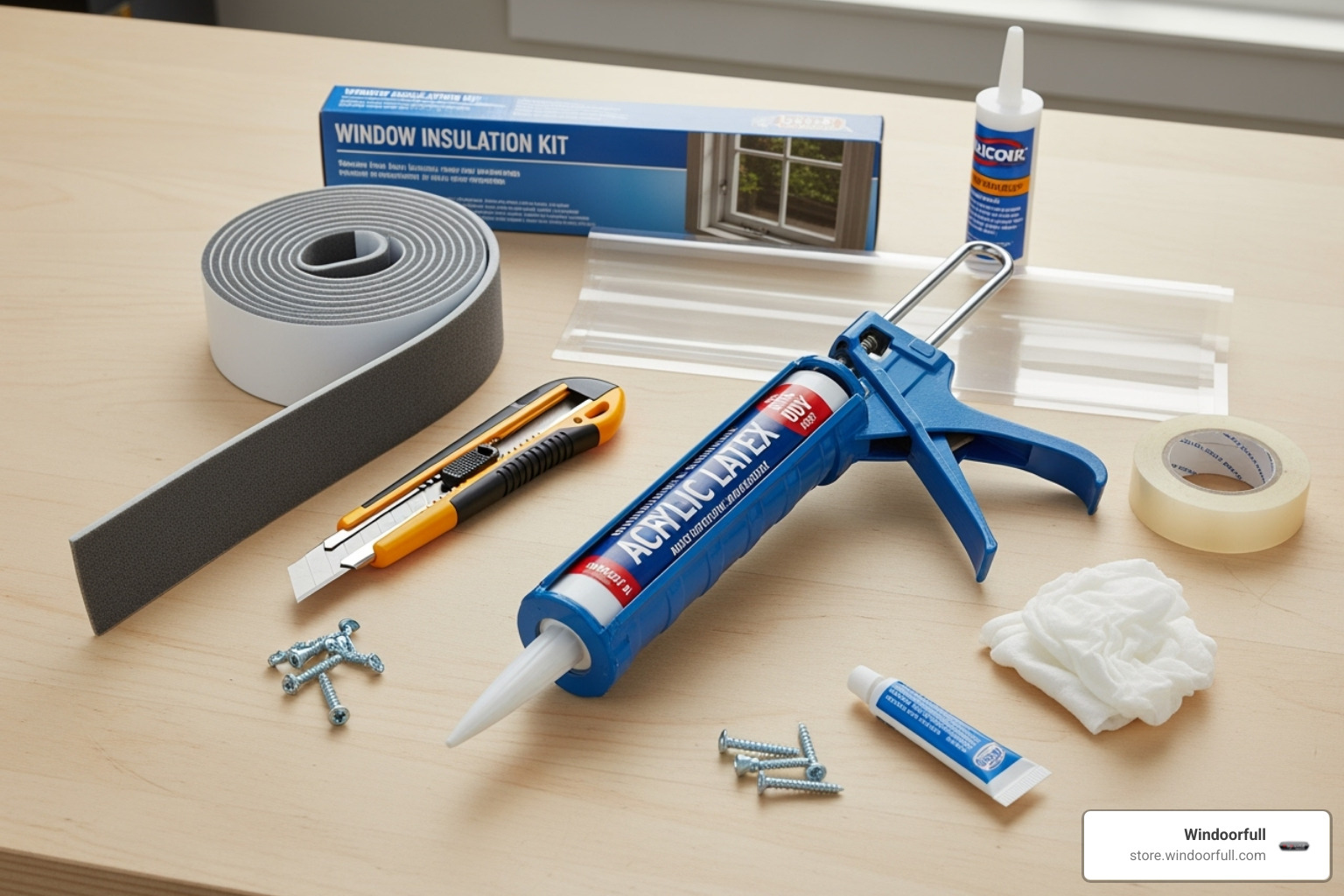
Sealing Gaps with Caulk and Sealant
Caulk is your best friend for sealing stationary gaps around window frames. For exterior gaps, use a durable, waterproof silicone caulk that can withstand the elements. For interior gaps, a paintable latex caulk is easier to work with and clean up.
The key to a lasting seal is preparation. First, use a utility knife to scrape away any old, cracked caulk. Clean the surface thoroughly and let it dry completely. Apply a steady bead of new caulk into the gap, then smooth it with a wet finger or a caulk tool for a clean finish. Caulk is only for parts that don't move. Sealing a window sash shut will only lead to cracked caulk and a non-functional window.
Applying Weatherstripping for a Tight Seal on draft proof windows
For the moving parts of your window, like the sash, weatherstripping is the answer. It compresses to create a tight seal when the window is closed and springs back when opened.
- Foam tape is a self-adhesive, easy-to-install option for beginners.
- V-strip (or tension seal) is a durable plastic strip that springs open to fill gaps effectively.
- Tubular gaskets made of vinyl or silicone offer a heavy-duty, long-lasting seal.
To install, clean the surface where the sash meets the frame. Measure and cut the weatherstripping to length, then apply it carefully. The goal is to create a snug fit that compresses slightly when the window is closed but doesn't make it difficult to operate. These small improvements can add up to significant energy savings, as explained in The Power of Pennies: Simple Steps to Reduce Your Energy Bills.
Temporary Fixes: Window Film and Simple Barriers
If you need a quick, temporary solution, especially for winter, these methods can provide immediate relief.
Window insulation film kits are surprisingly effective. You apply a clear plastic film over the entire window using double-sided tape, then use a hairdryer to shrink it tight. This creates an insulating air pocket that reduces heat loss.
For drafts at the base of windows, draft stoppers (fabric tubes filled with sand or rice) or even a tightly rolled towel can be placed on the sill to block cold air. They aren't a permanent fix, but they work in a pinch.
The Bigger Picture: Benefits Beyond the Bill
When most people think about draft proof windows, they picture dollar signs - and rightfully so! But here's what we've finded after helping countless homeowners upgrade their windows: the real magic happens in all the ways your daily life improves.
Cutting 20-30% off your energy bills feels great. But what about finally being able to sit by your favorite window with your morning coffee without needing a blanket? That's the kind of comfort change we see every day.
No More Cold Zones, Just Pure Comfort
You know that one spot in your living room where nobody wants to sit in winter? The chair that's perpetually chilly because it's near a drafty window? When you achieve truly sealed windows, those uncomfortable cold spots disappear. Your heating system doesn't have to work overtime trying to warm air that's constantly escaping, which means consistent temperatures throughout your entire home. No more layering sweaters indoors or avoiding certain rooms during cold snaps.
Peace and Quiet at Last
Here's something that surprises many homeowners: air leaks don't just let in cold air - they invite in all that outside noise too. Traffic sounds, neighbor conversations, barking dogs - they all sneak through the same gaps that create drafts. When you seal those openings, you're essentially giving your home a sound upgrade. Many of our customers tell us they had no idea how much street noise was bothering them until it was gone.
Breathe Easier with Cleaner Indoor Air
That infiltrating air isn't just cold - it's often carrying dust, pollen, and outdoor allergens right into your living space. Think of every little gap as a tiny doorway for irritants. By sealing these entry points, you're creating a much better filter system for your home's air. This is especially noticeable for family members who struggle with allergies or asthma.
Your HVAC System Will Thank You
When your heating and cooling system doesn't have to constantly battle against escaping air, it operates more efficiently and lasts significantly longer. It's like the difference between running uphill versus on flat ground - one puts way more strain on the equipment. Less strain means fewer repair calls and a longer lifespan for your investment.
A Small Step Toward a Greener Home
Every bit of energy you save contributes to reducing your environmental footprint. It might seem small, but when thousands of homes become more efficient, it adds up to real environmental impact. Plus, there's something satisfying about knowing your comfort improvements are also helping the planet.
The beauty of these benefits is how they compound. Better comfort leads to better sleep. Less noise creates a more peaceful atmosphere. Cleaner air means fewer allergy symptoms. It's amazing how something as simple as sealing air leaks can transform your entire home experience.
For those ready to take comfort to the next level, exploring advanced window technologies can amplify all these benefits even further. Learn more about premium options in The Ultimate Comfort: Why Choose Triple Glazed Tilt and Turn Windows.
Repair or Replace? When to Upgrade to Truly Draft Proof Windows
Sometimes, despite your best DIY efforts, those pesky drafts persist. While caulk and weatherstripping are great for minor issues, there comes a point where temporary fixes can't solve underlying problems. This is when you should consider upgrading to modern draft proof windows.
It's likely time for a replacement if you notice:
- Persistent Drafts: Your DIY fixes fail quickly or don't solve the problem.
- Significant Damage: You see wood rot, rusted metal components, or frames so warped they no longer close properly.
- Inefficient Glass: You have old single-pane windows, or you see condensation between the panes of double-pane windows (a sign of a failed seal).
- High Energy Bills: Your heating and cooling costs remain stubbornly high no matter what you do.
In these cases, investing in new, high-quality windows is a permanent solution, not an ongoing maintenance headache. While the upfront cost is higher, the long-term benefits in energy savings, comfort, and home value are substantial. For those considering the ultimate in energy performance, exploring options like triple glazing can provide exceptional returns, as detailed in Beyond Double: Is Triple Glazing the Smart Choice for Your Home?.
The Superior Seal of Modern draft proof windows
Modern European-engineered windows eliminate drafts through superior design, not temporary patches. At Windoorfull, we've seen how this advanced engineering makes all the difference.
The foundation is the uPVC frames. Unlike wood, uPVC doesn't warp, rot, or expand with weather changes, ensuring the window's seal remains tight for decades. These frames feature a multi-chambered design, creating internal air pockets that act as thermal barriers to dramatically reduce heat transfer.
The true secret, however, lies in the compression seals and multi-point locking system. When you lock a tilt and turn window, the mechanism pulls the sash tight against multiple, continuous gaskets on all four sides. This creates a virtually airtight chamber, stopping drafts completely. This advanced engineering is why modern windows have such low U-factor ratings, which measure heat loss—the lower the number, the better the insulation. The design of these systems offers both versatile functionality and a perfect seal, as detailed in The Smart Choice for Modern Homes: Why Tilt and Turn Windows Belong in Your USA Home.
Common Mistakes to Avoid When Draft-Proofing
Creating draft proof windows through DIY methods is definitely achievable, but I've seen plenty of well-intentioned homeowners accidentally create new problems while trying to solve their drafty window issues. Let me share some of the most common pitfalls so you can avoid them entirely.
Don't seal away your fresh air. This is the biggest mistake I encounter. Many people get so focused on stopping drafts that they accidentally block their home's natural ventilation. Modern windows often have trickle vents - those small, adjustable openings that let fresh air flow in gradually. These aren't drafts; they're features designed to keep your indoor air healthy!
When you over-seal without considering ventilation, you're essentially turning your home into a plastic bag. The air gets stale, humidity builds up, and you might even see more condensation on your windows. Your home needs to breathe a little - the goal is controlling airflow, not eliminating it completely.
Moisture problems love over-sealed homes. Here's what happens when you seal too aggressively: all that moisture from cooking, showering, and even breathing has nowhere to go. It starts condensing on cold surfaces like windows, and before you know it, you've got mold growing in corners. I've seen homeowners solve their draft problem only to create a much more expensive moisture problem.
Using the wrong caulk in the wrong place is surprisingly common. Interior caulk outside will crack and fail within months because it can't handle weather, UV rays, and temperature swings. Exterior caulk inside can be impossible to paint over and creates a mess during cleanup. Always check the label - it's not just marketing speak, it's actually important!
Skipping surface preparation is like trying to put a bandage on dirty skin - it just won't stick properly. I can't tell you how many times I've seen someone apply beautiful weatherstripping or caulk, only to have it peel off within weeks because they didn't clean the surface first. A few minutes with soap and water (and letting it dry completely) can mean the difference between a fix that lasts years versus one that fails in months.
Accidentally sealing windows shut permanently happens more often than you'd think. Someone gets enthusiastic with the caulk gun and suddenly their window won't open anymore. Unless it's a fixed window that's never meant to open, always make sure your draft-proofing solution allows the window to function normally. You might need that window for emergency exit, cleaning, or just some fresh air on a nice day.
Ignoring the root cause is perhaps the most expensive mistake in the long run. Yes, weatherstripping and caulk can help a drafty window, but if your frame is rotting, your seals are completely shot, or you're dealing with single-pane windows from the 1970s, you're essentially putting a bandage on a broken bone. These temporary fixes can buy you time and provide some relief, but they won't solve fundamental problems with old or damaged windows.
The key is being honest about what DIY methods can and can't accomplish. Sometimes the most cost-effective approach is acknowledging when it's time to upgrade to modern, properly designed draft proof windows rather than continuing to patch up windows that have reached the end of their useful life.
Conclusion
We've journeyed through draft proof windows together, from playing detective to find those sneaky air leaks to rolling up our sleeves with practical solutions. It's been quite the adventure, hasn't it?
The beauty of tackling drafts is that you have options for every situation and budget. Those simple DIY fixes we explored - like sealing gaps with caulk, installing fresh weatherstripping, or applying window film - can deliver surprisingly impressive results. Many homeowners are amazed to find that these accessible, cost-effective methods can slash their heating and cooling bills by over 20% annually. Not bad for a weekend project!
But let's be honest - sometimes a band-aid approach just isn't enough. When you're dealing with severely damaged frames, broken seals, or those stubborn single-pane windows that seem determined to let every breeze waltz right through, it's time to consider the bigger picture. This is where modern, high-performance windows truly shine, offering a permanent solution that transforms your home's entire thermal envelope.
The ripple effects of achieving truly draft proof windows go far beyond what shows up on your energy bill. Picture this: consistent temperatures throughout your home (no more wearing sweaters indoors!), dramatically reduced outside noise, and cleaner indoor air with fewer allergens sneaking in through gaps. Your HVAC system gets to take a well-deserved break too, operating more efficiently and lasting longer when it's not constantly fighting against air leaks.
At Windoorfull, we've seen how the right windows can completely transform a home's comfort level. Our European-engineered uPVC tilt and turn windows aren't just about stopping drafts - they're about creating that perfect indoor environment you've always wanted. With their multi-chambered frames, advanced compression seals, and superior glazing, these windows make drafts a thing of the past while bringing authentic European quality to American homes at prices that make sense.
Whether you're starting with DIY solutions or ready to invest in a long-term upgrade, the important thing is taking that first step toward a more comfortable, energy-efficient home.
Ready to say goodbye to drafts for good? Explore our collection of high-performance uPVC Windows and find how Windoorfull can help you achieve the ultimate in draft proof windows and year-round comfort.