

uPVC Windows Benefits 101
Your Guide to Modern, High-Performance Windows
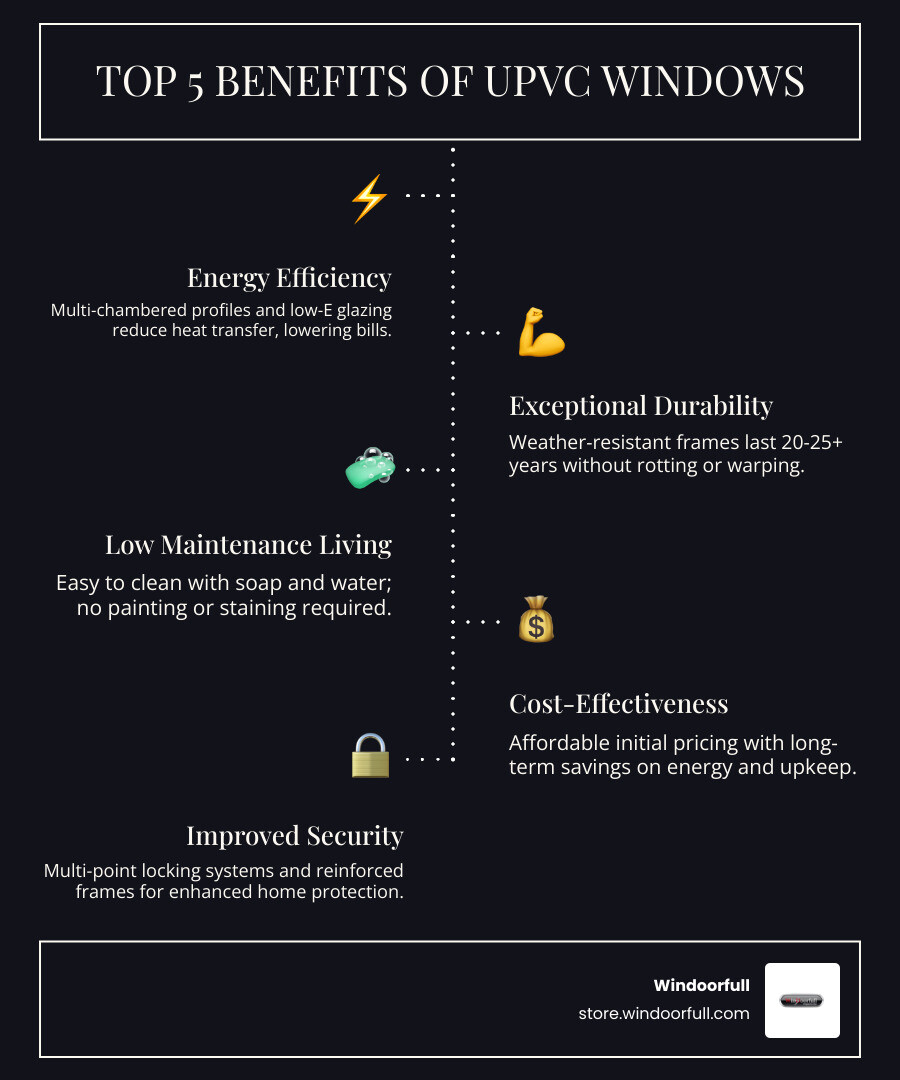
uPVC Windows are modern window frames made from Unplasticized Polyvinyl Chloride—a durable, low-maintenance plastic material designed to deliver superior energy efficiency, security, and long-lasting performance for your home.
What You Need to Know:
- Material: Unplasticized Polyvinyl Chloride (uPVC)—a rigid, weather-resistant plastic
- Average Lifespan: 20-25+ years with proper maintenance
- Energy Efficiency: Can achieve A-rated performance with multi-chambered profiles and advanced glazing
- Maintenance: Minimal—no painting or staining required, easy to clean with soap and water
- Cost: Up to 40% more affordable than comparable materials, with long-term savings on energy bills
- Security: Multi-point locking systems and reinforced frames for improved protection
If you're tired of drafty windows, high heating bills, and constant repainting, uPVC windows offer a smart solution. Unlike traditional wood frames that rot, warp, or require annual maintenance, uPVC resists weather damage and stays looking new for decades. Unlike aluminum, which conducts heat and cold, uPVC's multi-chambered design provides exceptional thermal insulation—keeping your home comfortable year-round while reducing energy costs.
European-engineered uPVC windows take performance even further. With advanced features like tilt and turn functionality, you get safe ventilation when tilted inward from the top, plus easy exterior cleaning when the entire sash opens like a door. This dual operation, combined with German engineering standards, makes modern uPVC windows ideal for homeowners seeking energy efficiency, security, and versatile ventilation in one neat package.
We specialize in distributing and installing premium uPVC windows featuring reliable German engineering and tilt-and-turn functionality for residential and commercial projects. Through my work at Windoorfull Imports Inc., We've helped countless homeowners upgrade to high-performance European-style windows that reduce energy costs while enhancing comfort and security.
UPVC Windows vocab to learn:
Why Choose uPVC? The Top 5 Benefits Explained
Choosing new windows for your home is a big deal. It affects your energy bills, how your home looks from the street, and even how safe you feel at night. When you're comparing materials like wood, aluminum, or fiberglass, uPVC windows keep rising to the top—especially if you want great performance without breaking the bank. Let me walk you through the five reasons why uPVC might be exactly what your home needs.
Superior Energy Efficiency
Here's the thing about uPVC windows—they're absolute champions when it comes to keeping your home comfortable. And I'm not just talking about cozy winter evenings. I'm talking about real, measurable savings on your heating and cooling bills.
The secret is in the design. uPVC windows use multi-chambered profiles, which means the frame has several hollow sections inside that trap air. Think of it like a thermal jacket for your windows. These air pockets create barriers that dramatically reduce heat transfer, so warm air stays inside during winter and outside during summer.
Many of our uPVC windows can achieve A-rated efficiency potential, which is the gold standard for window performance. Organizations like the British Fenestration Rating Council (BFRC) set rigorous testing standards, and quality uPVC windows consistently meet or exceed them.
But there's more to the story than just lower bills. When your windows work this efficiently, your home uses less energy overall. That means a smaller carbon footprint. Plus, uPVC is a recyclable material, so you're making a sustainable choice for the long haul.
Exceptional Durability & Long Lifespan
Let's be honest—when you invest in new windows, you want them to last. Not just a few years, but decades. That's where uPVC windows really shine.
Unlike wood, which can rot when it gets wet or warp in extreme temperatures, uPVC just doesn't care. It won't swell, crack, or become a buffet for termites and other pests. Rain, snow, scorching sun—bring it on. The material is built to resist whatever weather throws at it.
Our uPVC windows come with reinforced frames for added strength. This internal reinforcement (often steel or fiberglass) gives the frames serious structural integrity. They stay straight, stable, and secure year after year without sagging or losing their shape.
The average lifespan? We're talking 20 to 25 years, minimum. With proper care, many uPVC windows last even longer. That's potentially decades of reliable performance with no major repairs or replacements needed. Now that's value.
Low Maintenance Living
Can I tell you my favorite thing about uPVC windows? You don't have to paint them. Ever. No scraping off old paint on a hot Saturday afternoon. No annual varnishing. No staining to match your siding.
The smooth, non-porous surface of uPVC naturally resists dirt and scratches. When your windows do need cleaning—which isn't often—it takes about five minutes. Just grab some soap and water, wipe down the frames with a soft cloth, rinse, and you're done.
That's it. No special products. No professional services. No weekend projects that turn into week-long ordeals. uPVC windows are designed for people who have better things to do than maintain their windows. They look great with almost zero effort on your part.
Cost-Effectiveness
Budget matters. I get it. The good news? uPVC windows deliver high performance at a price that makes sense.
Right from the start, the initial cost of uPVC is typically lower than comparable wood or aluminum options. But the real savings show up over time. Superior energy efficiency we talked about? That translates to lower energy bills every single month. And with virtually no maintenance costs—no painting, no repairs, no replacements—those savings just keep adding up.
Here's something interesting: European uPVC windows can cost up to 40% less than comparable windows made in the US, while still delivering the same (or better) quality and performance. That's because companies like Windoorfull import authentic European engineering and pass those savings directly to you.
When you add it all together—affordable upfront cost, reduced energy bills, and minimal maintenance expenses over 20+ years—uPVC windows become one of the smartest financial decisions you can make for your home.
Improved Security
Your home should be your safe place. uPVC windows help make sure it stays that way.
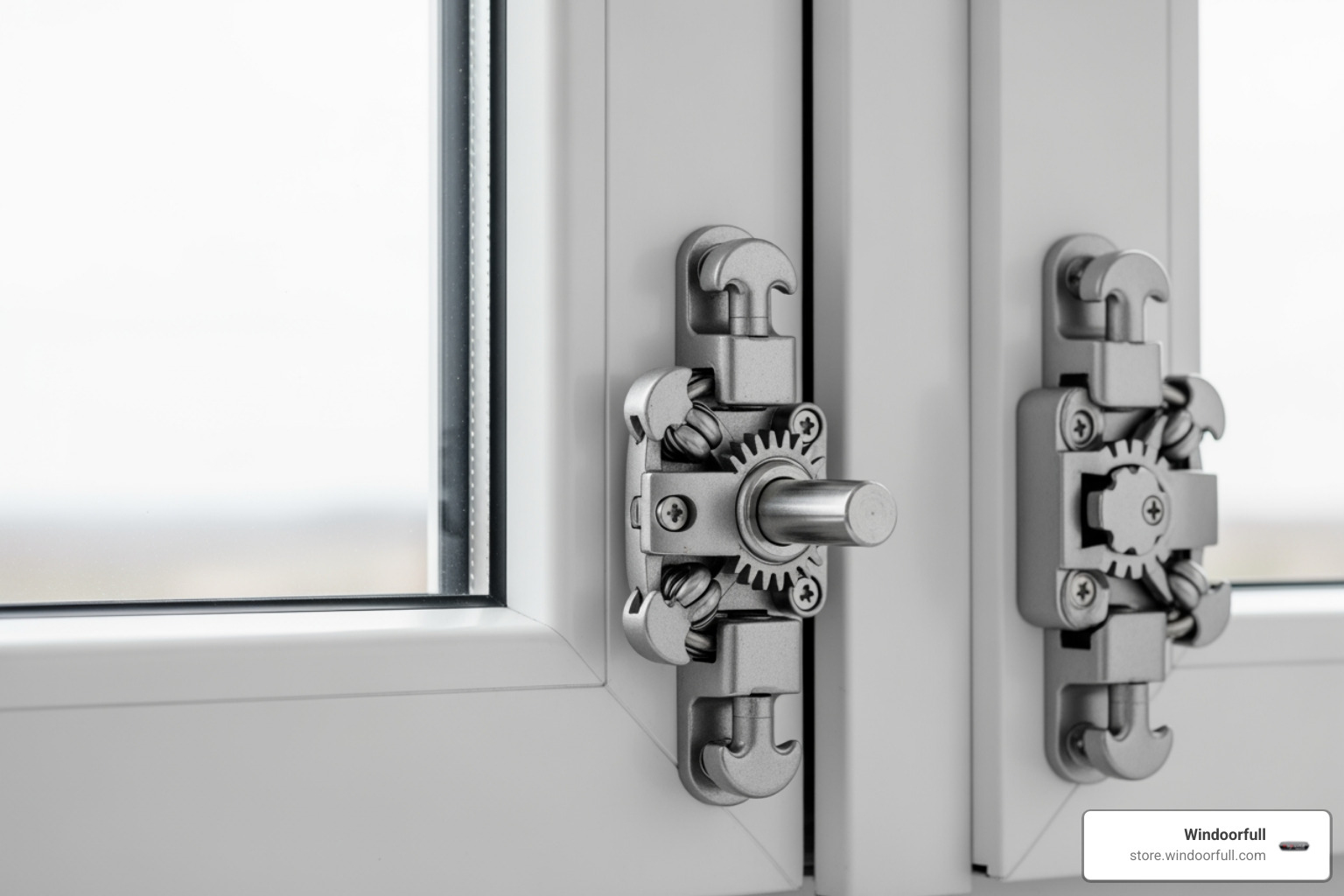
The material itself is incredibly strong. But the real security comes from how these windows are built. Most quality uPVC windows feature multi-point locking systems. Instead of a single lock that secures one spot, these systems lock the window at multiple points around the frame with just one turn of the handle. That makes forced entry significantly harder.
The reinforced frames we mentioned earlier? They're not just for durability—they add serious strength that resists impact and tampering. Many uPVC windows also use internally glazed beads, which means the glass can only be removed from inside your home. An intruder can't just pop out the glass from outside.
With uPVC windows, you get peace of mind knowing your home has a strong, secure barrier against break-ins. That's worth a lot.
A Guide to High-Performance uPVC Windows
When you're shopping for new windows, you'll hear the term "high-performance" thrown around quite a bit. But what does that actually mean? It's not just marketing speak—it refers to the engineering, materials, and careful construction that deliver superior insulation, durability, and functionality. uPVC windows, especially those built to European standards, are designed to meet these high-performance criteria.
Key Features of Quality uPVC Windows
Understanding what goes into a quality uPVC window helps you make an informed decision. Let's break down the components that matter most.
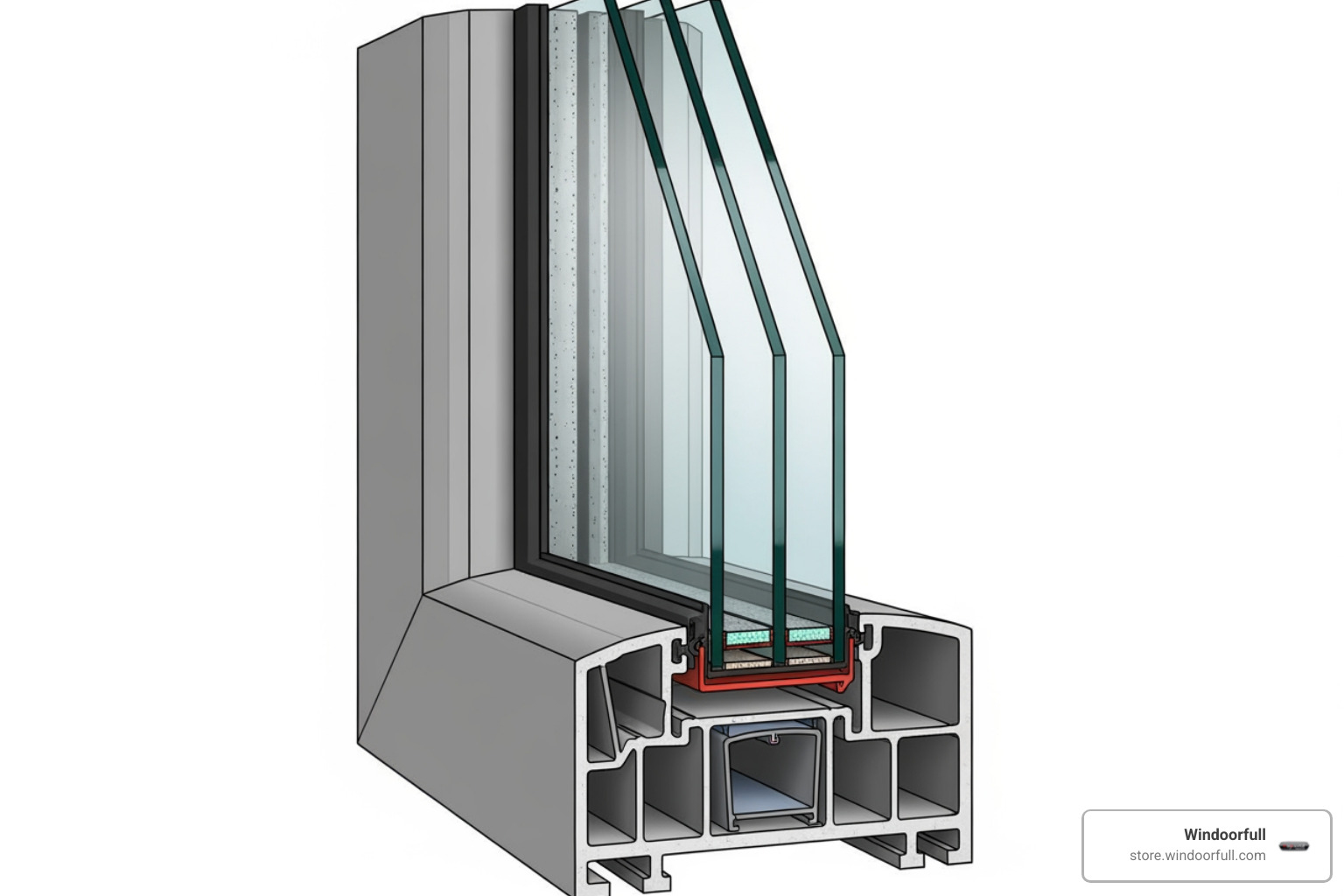
The frame construction is where the magic starts. High-quality uPVC windows use multi-chamber designs—essentially, the frame is divided into several internal air pockets. These chambers act as thermal breaks, dramatically slowing down heat transfer between your home's interior and the outside world. You'll see frame depths ranging from 70mm to 85mm, and here's a helpful rule of thumb: deeper frames generally provide better insulation. Our ThermoPlus uPVC™ windows, for example, feature an 85mm deep fiberglass-reinforced frame that delivers exceptional thermal performance.
Next comes the glazing technology, which is just as critical as the frame. We offer both double and triple glazing options. Triple glazing uses three panes of glass with two air gaps between them, providing superior insulation compared to double glazing. But here's where it gets interesting—those gaps are often filled with inert gases like Argon, which are denser than regular air and further reduce heat conduction. Additionally, Low-E (low-emissivity) coatings are applied to the glass to reflect radiant heat, keeping warmth inside during winter and blocking excessive heat during summer.
There's even an optimal distance between the glass panes. Research shows that an 18mm gap provides the best thermal insulation. Gaps that are too narrow (below 12mm) or too wide (above 18mm) can actually reduce efficiency due to convection currents forming between the panes.
Finally, don't overlook the gaskets and seals. Quality uPVC windows use multiple gaskets—typically 2 to 3—around the sash and frame. These create an airtight barrier that prevents drafts and moisture from sneaking in. This tight seal is crucial for achieving excellent energy efficiency and soundproofing, making your home more comfortable and quieter.
When all these features come together with precision manufacturing, you get uPVC windows that deliver exceptional thermal and acoustic insulation. For a deeper understanding of what separates good windows from great ones, check out The Ultimate Guide to High-Quality uPVC Windows.
Performance Tiers for uPVC Windows
Not all uPVC windows perform the same—just like cars, they come in different performance tiers to match various needs and budgets. We measure window performance using R-value, which indicates thermal resistance. The higher the R-value, the better the insulation. Here's how our different lines stack up.
Our standard performance windows, like the Classic uPVC™ and Classic Clad uPVC™ lines, achieve an R-value of 4.5. These represent a substantial upgrade over many domestic alternatives and are excellent choices for multifamily buildings or projects where you want significant improvement without stretching your budget too thin.
Moving up to high-performance options, our Thermo uPVC™ and Thermo Clad uPVC™ windows reach an impressive R-value of 7. These come equipped with triple glazing and two Low-E coatings, making them ideal for economical Passive House and net-zero projects where energy efficiency is a priority.
For those seeking the absolute best, our premium energy-efficient ThermoPlus uPVC™ windows achieve an R-value of 8. These windows are foam-insulated, filling those multi-chambers with insulating foam rather than just air. This foam-filled construction makes them our highest performing option, perfect for demanding Passive House certifications, net-zero projects, and large multifamily developments where every bit of thermal performance counts. These tiered options mean that whether you're looking for a solid upgrade or aiming to meet strict energy standards, we have a uPVC window solution that fits your specific project needs.
Styles, Customization, and Cost
One of the most exciting aspects of choosing uPVC windows is the sheer variety available. If you think uPVC means settling for plain white frames that all look the same, you're in for a pleasant surprise. Today's uPVC windows offer remarkable flexibility in style, color, and finish—allowing you to create exactly the look you want while enjoying all the performance benefits we've discussed.
Popular uPVC Window Configurations
The style you choose affects more than just curb appeal. Different configurations serve different purposes, and finding the right match for each room can transform how you experience your home.
Casement windows are a timeless choice. These side-hinged beauties swing outward, giving you excellent ventilation and crystal-clear views without a center post blocking the way. They're particularly handy above kitchen sinks or in bathrooms where you want maximum airflow but limited space inside.
For rooms where you want to flood the space with natural light and frame a spectacular view, fixed windows (also called picture windows) are perfect. Since they don't open, they can be made larger and offer unobstructed sightlines—ideal for showcasing that mountain vista or garden you've worked so hard on.
Bay windows create something special. By projecting outward from your home's exterior, they add architectural character while bringing in light from multiple angles. Many homeowners love the cozy window seat nook they create—perfect for reading, plants, or just soaking up the sunshine.
Now, here's where things get really interesting. European tilt and turn windows are the style we specialize in at Windoorfull, and once you understand how they work, you'll wonder why they aren't standard everywhere. With a simple turn of the handle, these uPVC windows offer two completely different opening modes. In tilt mode, the window opens inward from the top, creating a secure 4-inch gap that's perfect for ventilation—even during light rain—while being too small for anyone to climb through. Turn the handle again, and the entire sash swings inward like a door, giving you full access to clean the outside glass from the safety of your home. No ladders, no leaning out precariously, no hiring a window cleaner. It's European engineering at its finest, combining safety, convenience, and superior energy efficiency in one clever design.
Customization Options for Your Home
Here's where you get to have some fun. Your uPVC windows can be as unique as your home itself.
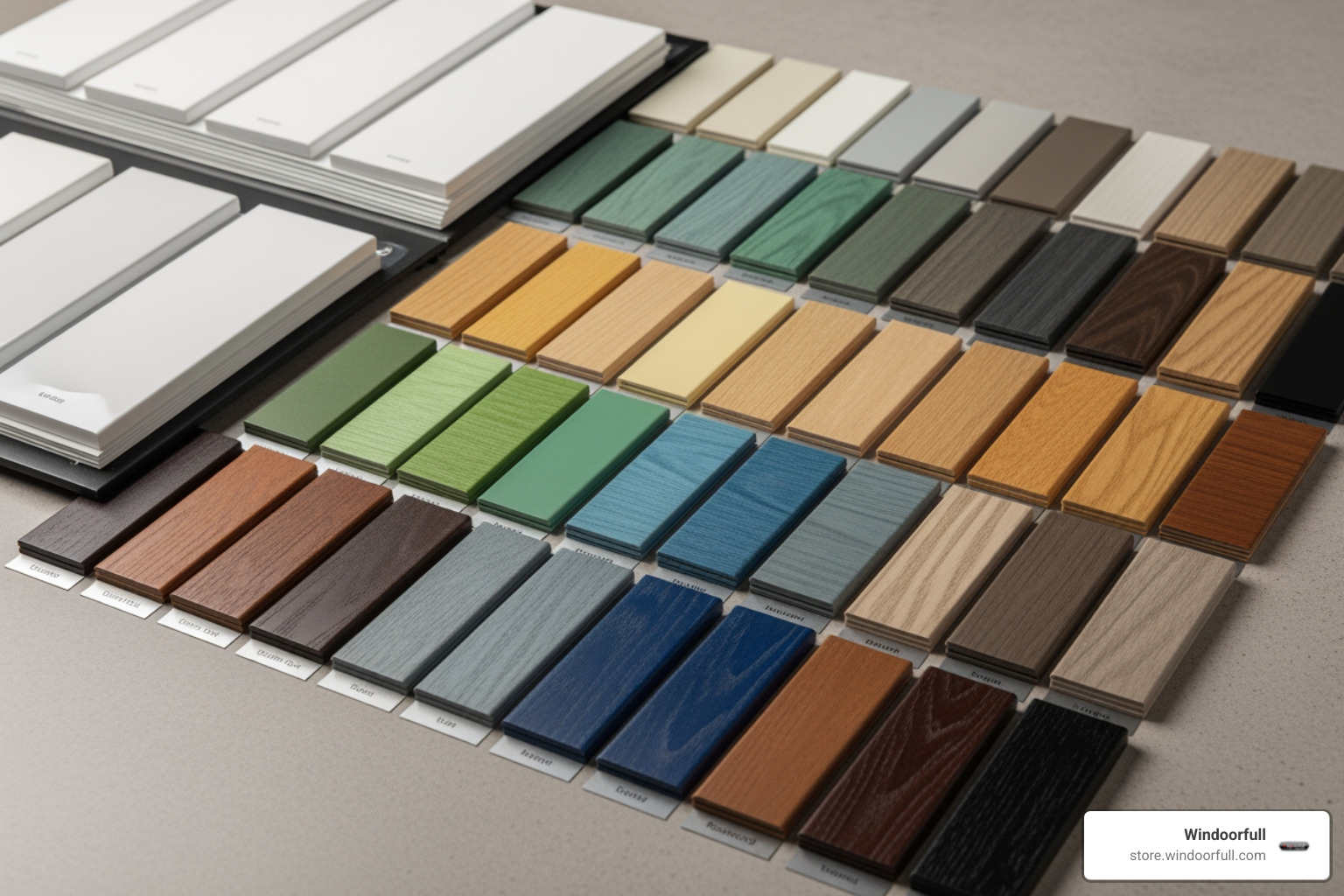
Color and texture options have come a long way. While classic white remains popular for good reason, we offer an impressive range of color foils and realistic wood-grain textures that are permanently fused to the uPVC profile. These aren't painted on—they're laminated under high pressure, creating a durable finish that won't fade, peel, or chip. Want sleek anthracite grey for a modern look? Done. Prefer the warmth of golden oak or rosewood without the maintenance headaches of real wood? We've got you covered. Some of our lines even offer optional aluminum cladding in over 300 RAL colors for exceptional exterior durability and virtually unlimited aesthetic possibilities. Window Wonderland: Discovering the Magic of Aluplast explores even more design possibilities if you're feeling inspired.
Hardware details matter more than you might think. The handles you choose aren't just functional—they're part of your home's character. We offer handles in multiple styles and finishes, from brushed aluminum and stainless steel to chrome. These are built to last and operate smoothly for decades, not just look good at installation.
For those who love traditional architectural details, grids and glazing bars can add visual interest and charm. The best part? They're integrated between the glass panes, so cleaning is still easy—no dust-catching crevices to deal with.
Understanding Cost Factors
Let's talk money. uPVC windows are known for delivering exceptional value, but the final price depends on several factors. Understanding these helps you make informed decisions and get exactly what you need within your budget.
The beauty of uPVC windows is that they start at a very accessible price point—often significantly less than comparable wood or aluminum options. That affordability doesn't mean sacrificing quality; it's simply the nature of the material and manufacturing process.
Window size and style naturally affect cost. A large bay window with multiple panels requires more materials and labor than a standard-sized fixed window. Similarly, the sophisticated tilt and turn mechanism in European-style uPVC windows involves more engineering than a basic casement, though the added functionality and convenience are well worth the difference.
Your glazing package is another major factor. Double glazing is more economical than triple glazing, though the energy savings from triple glazing often justify the investment in colder climates. Adding Low-E coatings, Argon gas fills, or specialized security glass increases performance—and price—accordingly.
Custom finishes and hardware give you the home of your dreams but add to the bottom line. Standard white frames with basic handles are the most budget-friendly option. Wood-grain textures, bold colors, premium hardware finishes, or specialized designs like flush uPVC windows (where the sash sits perfectly level with the frame for an ultra-modern look) cost more due to their intricate manufacturing requirements.
Here's the key point: even with all these variables, uPVC windows remain remarkably cost-effective. The combination of affordable starting prices, long-term energy savings, and virtually zero maintenance costs makes them one of the smartest investments you can make in your home. You're not just buying windows—you're buying decades of comfort, security, and savings.
Frequently Asked Questions about uPVC Windows
We know you might have more questions, and we're here to provide clear, straightforward answers based on our expertise and the latest industry insights.
How long do uPVC windows last?
This is one of the most common questions we hear from homeowners, and for good reason—you want to know you're making a smart long-term investment! The good news is that uPVC windows are built to last. On average, you can expect them to perform beautifully for 20 to 25 years, though many well-maintained windows exceed this timeframe considerably.
In fact, with proper care, it's not unusual for high-quality uPVC windows to last 30 years or even longer. We've seen European-engineered windows still going strong after several decades, maintaining their energy efficiency and smooth operation.
Several factors influence how long your windows will serve you. Quality manufacturing is paramount—uPVC windows built to European standards with reinforced frames and advanced multi-chambered profiles are engineered for longevity. Professional installation also plays a crucial role; even the best window will underperform if it's not installed correctly. While uPVC windows are wonderfully low-maintenance, occasional cleaning and checking that hinges, seals, and hardware remain in good condition can extend their life significantly.
Environmental conditions matter too. Extreme weather can be tough on any building material, but uPVC's inherent resistance to UV radiation, moisture, temperature fluctuations, and corrosion makes it exceptionally durable. Unlike wood that rots or warps, or metal that corrodes, uPVC windows maintain their structural integrity through decades of sun, rain, snow, and wind.
Are uPVC windows better than other window materials?
Whether uPVC windows are "better" depends on your priorities, but for most homeowners, they offer an unbeatable combination of benefits that make them the smart choice.
Let's compare them honestly to other materials you might be considering. Wood windows certainly have a classic, timeless aesthetic appeal. However, they require significant ongoing maintenance—regular painting, staining, and sealing to prevent rot, warping, and pest damage. They're also typically more expensive upfront. Modern uPVC windows with wood-grain finishes can give you that traditional look without any of the headaches or costs of maintenance.
Aluminum frames are sleek and strong, allowing for slim profiles and large glass areas. The challenge with aluminum is that it's highly conductive, meaning it transfers heat and cold very efficiently—exactly what you don't want in a window! Unless specially designed with thermal breaks, aluminum windows can be energy losers. uPVC windows, with their multi-chambered profiles filled with insulating air pockets, provide superior thermal insulation naturally.
Fiberglass windows are strong and stable, and they're often marketed as premium products. However, when you compare thermal performance side-by-side, European uPVC windows frequently outperform fiberglass thanks to their advanced engineering and larger insulating air gaps. Plus, European uPVC windows can cost approximately 40% less than comparable US fiberglass windows, offering exceptional value without compromising quality.
In summary, for superior thermal insulation, virtually zero maintenance, excellent durability, and outstanding cost-effectiveness, uPVC windows consistently come out ahead. While each material has its place depending on specific architectural needs or aesthetic preferences, we find that uPVC windows strike the optimal balance for modern homes seeking performance and value.
Can you paint uPVC window frames?
Yes, you technically can paint uPVC window frames using special paints designed for plastic surfaces. However, we strongly recommend against it, and here's why.
Factory-applied color foils or lamination are far superior to any painted finish you could achieve. These professional finishes are fused to the uPVC profile under high heat and pressure during manufacturing, creating an incredibly durable, UV-stable surface that won't fade, peel, or chip for decades. A painted finish, even with the best uPVC-specific paints, simply can't match this level of durability or longevity.
There's also the aesthetic consideration. Professional foils provide a smooth, integrated finish with consistent color and even realistic wood-grain textures that look authentic. Paint, no matter how carefully applied, may show brush marks, uneven coverage, or inconsistencies that detract from your home's appearance.
Perhaps most importantly, painting defeats one of the primary advantages of uPVC windows—their incredibly low maintenance requirements. Once you paint them, you've introduced a new maintenance task. That painted surface will eventually need touch-ups or complete repainting, turning your maintenance-free windows into a periodic chore.
If you want a color other than classic white, we offer a wide range of uPVC windows with factory-applied color foils and wood-grain textures. These options give you beautiful, durable finishes in colors like anthracite grey, black, rosewood, and golden oak that will last the entire lifetime of your windows without any additional maintenance. It's a much smarter choice than painting.
Conclusion: Upgrade Your Home with High-Performance uPVC
Throughout this guide, we've explored what makes uPVC windows such a smart choice for modern homeowners. They're not just functional—they're a complete upgrade that transforms how your home looks, feels, and performs every single day.
Think about what we've covered: exceptional energy efficiency that cuts your heating and cooling costs while keeping you comfortable year-round. Durability that lasts 20-25 years or more without rotting, warping, or demanding constant maintenance. Security features like multi-point locks and reinforced frames that give you real peace of mind. And all of this at a price point that makes sense, with savings that continue long after installation.
The beauty of uPVC windows is how they adapt to your life. With their tilt and turn functionality, you get safe ventilation when you need fresh air, plus easy cleaning access when it's time to maintain those sparkling views. They work with any architectural style, from traditional homes to sleek contemporary designs, especially with today's wide range of colors and finishes.
At Windoorfull, we're proud to bring authentic European-engineered uPVC windows directly to homeowners across the USA. We believe superior performance shouldn't come with a premium price tag, which is why we import these high-quality windows at American-friendly prices. Our tilt and turn windows embody the best of German engineering standards—precision manufacturing, advanced thermal performance, and that versatile functionality that makes daily life just a bit easier.
Whether you're planning a full home renovation or simply replacing a few outdated windows, upgrading to high-performance uPVC windows is an investment that pays dividends in comfort, efficiency, and value. They're a modern solution that doesn't compromise on quality or aesthetics.
If you're curious about the advantages of European window technology and what sets overseas manufacturing apart, we've written an in-depth article addressing The Important Questions: What to Know About Overseas UPVC Windows. It covers everything from quality standards to shipping and installation considerations.
Ready to see what's possible for your home? We invite you to explore our complete collection of high-performance uPVC windows. And if you're in the New York area, stop by our location in Ozone Park for local pickup and to see these exceptional windows in person. Your journey to a more comfortable, efficient, and beautiful home starts here.