

The Import-ant Questions: What to Know About Overseas uPVC Windows
Why Imported uPVC Windows Are Changing American Homes
Imported uPVC windows are revolutionizing the American window market. With the global uPVC market projected to reach $175.8 billion by 2030, more Americans are finding the superior performance and cost benefits of European-engineered windows.
Key Benefits of Imported uPVC Windows:
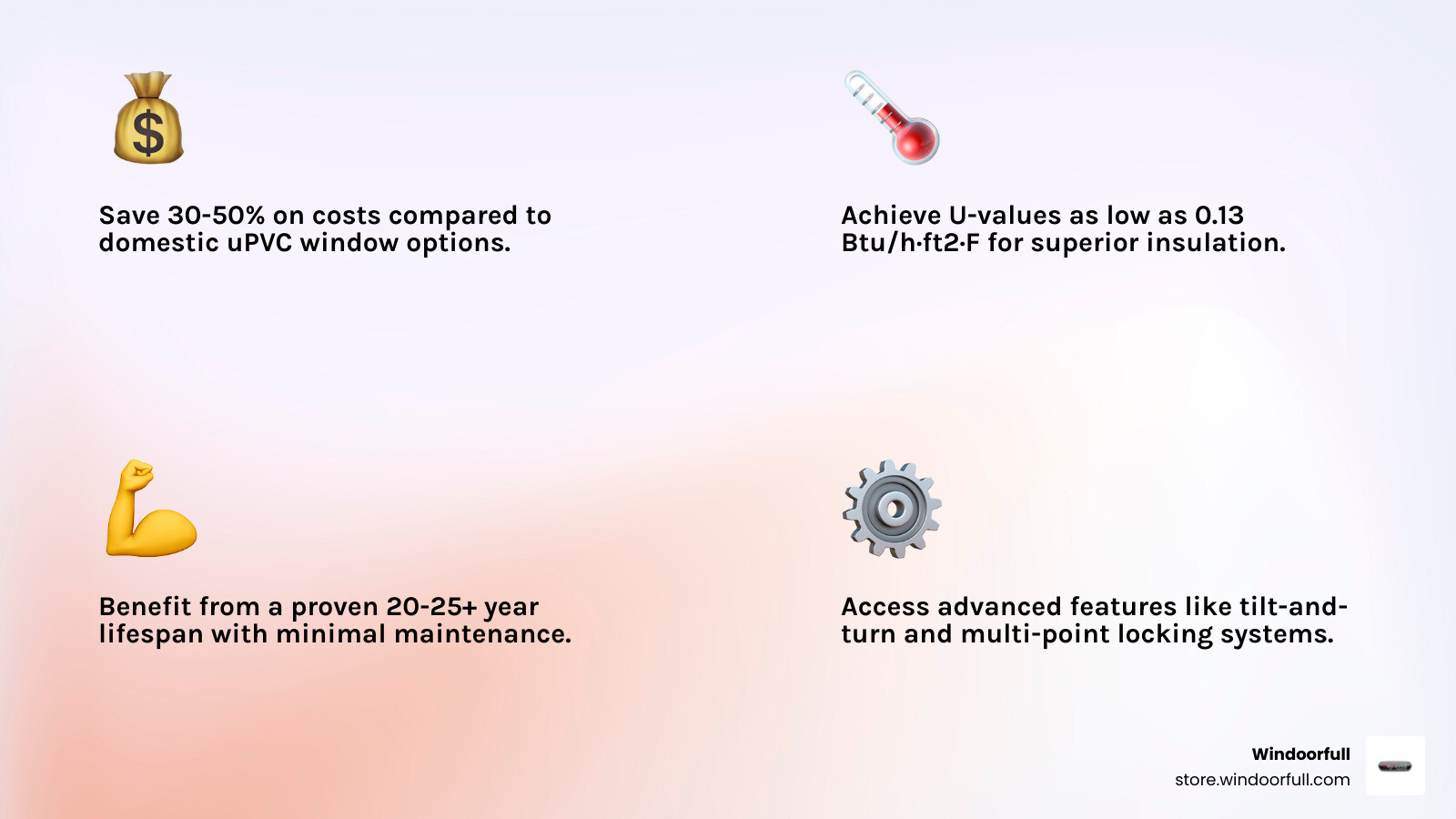
- Cost Savings: 30-50% less than domestic alternatives.
- Superior Performance: European engineering with U-values as low as 0.13 Btu/h·ft2·F.
- Advanced Features: Tilt-and-turn functionality, multi-point locking, and triple glazing options.
- Proven Durability: 20-25+ year lifespan with minimal maintenance.
- Energy Efficiency: Excellent thermal insulation reduces heating and cooling costs.
The demand for energy-efficient windows drives this growth, and imported uPVC windows often exceed the thermal performance of domestic options. European manufacturers, particularly in Poland and Germany, combine modern processes with lower labor costs to deliver premium quality at competitive prices.
Why uPVC? The Unbeatable Advantages for Modern Construction
Imported uPVC windows consistently outperform traditional materials like wood and aluminum, delivering key advantages in comfort and cost-savings. Here's why uPVC is the go-to choice for smart builders and homeowners.
Superior thermal insulation is where uPVC shines. Unlike heat-conducting aluminum, uPVC is a natural insulator, keeping your home comfortable year-round. Advanced European systems can achieve U-values as low as 0.13 Btu/h·ft2·F, leading to significantly lower energy bills. Your HVAC system works less, saving you money. For more tips, see our guide on The Power of Pennies: Simple Steps to Reduce Your Energy Bills.
Exceptional sound reduction is another key benefit. The multi-chambered profiles and precision seals create an effective sound barrier, turning your home into a peaceful sanctuary, even near busy streets.
The durability factor is proven over time. uPVC resists harsh weather, salt air, and UV rays without warping, rotting, or corroding. You can expect a lifespan of 20-25 years or more with proper installation.
Finally, uPVC offers remarkably low maintenance. Forget scraping, painting, or staining. A simple wipe-down with a damp cloth is all that's needed to keep imported uPVC windows looking new.
Common Types of uPVC Windows and Their Applications
European manufacturers have perfected versatile uPVC window styles to suit any project.
Tilt and turn windows are a marvel of European engineering, offering two functions: tilt inward from the top for draft-free ventilation or swing open like a door for maximum airflow and easy cleaning. They are perfect for bedrooms and feature superior sealing. Learn more in our guide Beyond the Hinge: Everything You Need to Know About Tilt-Turn Windows.
Casement windows open outward on hinges, providing excellent ventilation and unobstructed views. European versions feature robust construction and tight seals.
Sliding windows are ideal for spaces where an outward-swinging window would be impractical, like over a kitchen sink. They slide horizontally, saving space.
Fixed or picture windows don't open but are perfect for maximizing natural light and framing views. They pair well with operable windows to create stunning architectural features.
Whether for residential homes, multi-unit buildings, or light commercial projects, the adaptability of imported uPVC windows makes them a high-performance, cost-effective solution.
The Business Case for Imported uPVC Windows
For contractors and developers, choosing imported uPVC windows is a smart business decision that improves your competitive position and bottom line. Clients want energy-efficient, low-maintenance homes, and European windows deliver this while offering significant cost advantages.
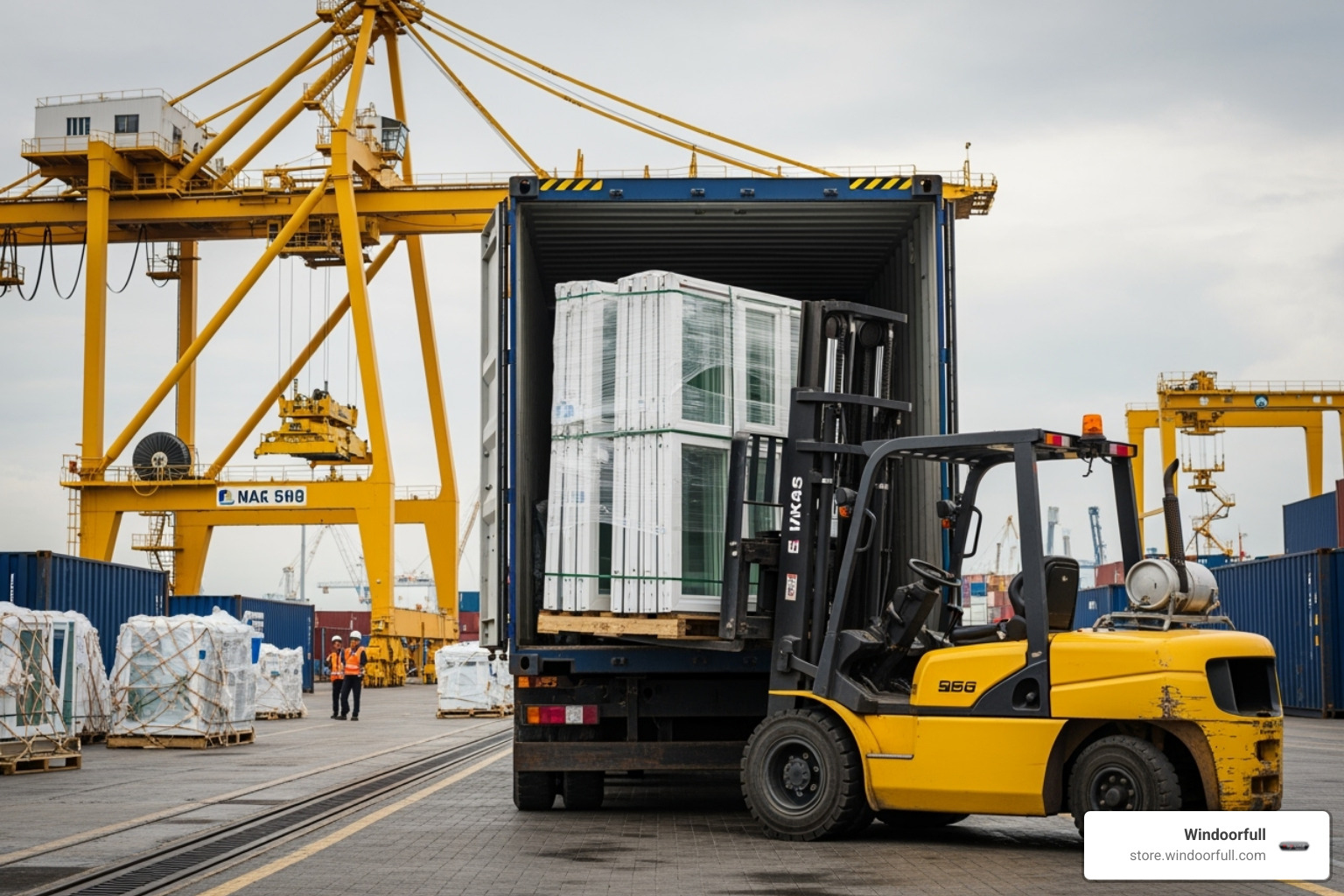
Gaining a competitive edge is easier when you can offer superior products at attractive prices. European uPVC windows, refined over decades, often outperform domestic alternatives in thermal efficiency and durability. This quality differentiation helps you win projects where performance matters, allowing you to compete on value, not just price.
Boosting profits is an immediate benefit. Sourcing from regions like Poland—a manufacturing hub known for quality and competitive pricing—directly improves your margins. Lower material costs without sacrificing performance mean more profit and more competitive bids. This aligns with the global uPVC market's projected 6.6% annual growth, reaching $175.8 billion by 2030.
By tapping into the established European supply chain, where Germany leads in engineering and Poland in manufacturing, American businesses can leverage decades of innovation unavailable domestically at similar prices.
Cost Savings of Sourcing Imported uPVC Windows
The financial advantages of imported uPVC windows go beyond the purchase price. Direct-from-manufacturer pricing cuts out distribution markups, offering wholesale-level costs. European manufacturing regions like Poland provide significant labor cost advantages and a skilled workforce, creating an best price-to-quality ratio.
Bulk order discounts are also more attractive from large-scale European manufacturers, dramatically improving the economics of multi-unit projects. Long-term value is another key factor. With superior thermal performance (U-values as low as 0.13 Btu/h·ft2·F) and a 20-25+ year lifespan with minimal upkeep, imported uPVC windows reduce long-term ownership costs for your clients. This combination of performance and aesthetics is explored in our Continental Charm: Unpacking Euro-Style Windows guide.
Navigating the Risks of Imported uPVC Windows
While the benefits are compelling, importing has potential risks. An experienced import partner is key to managing them.
- Logistics & Delays: International shipping, customs, and supply chain issues can cause delays. A good importer builds buffers into timelines and manages logistics partners.
- Costs & Tariffs: Import duties can affect final costs. A professional provides all-inclusive pricing to avoid surprises.
- Communication: Language and time zone differences are managed by a specialized importer who acts as a bridge to the manufacturer.
- Quality & Warranty: Reputable importers vet suppliers, ensure products meet US codes and certifications, and facilitate warranty claims.
Working with a partner who understands and mitigates these challenges transforms importing from a risk into a strategic business advantage.
Sourcing Smart: Vetting International Manufacturers and Systems
Choosing the right source for imported uPVC windows is crucial for your project's success. Not all manufacturers are equal, and a great partner makes all the difference.
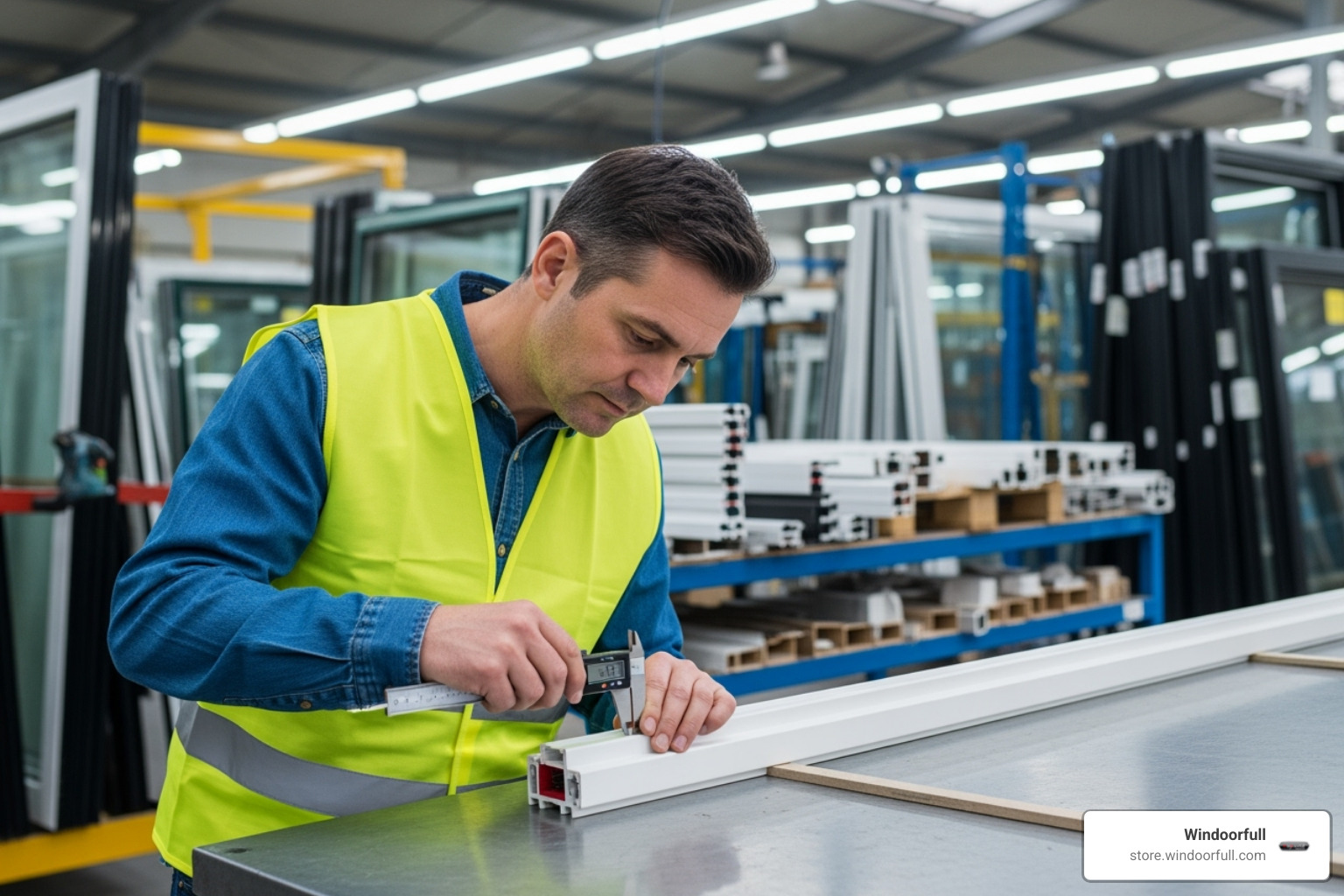
When evaluating manufacturers, focus on their experience, product range, and customization capabilities. Decades of experience ensure refined processes and quality. A diverse product range—including casement, tilt-and-turn, and sliding systems—shows a commitment to innovation. The ability to customize sizes, colors, and hardware is essential for the varied American market. Finally, customer service and responsiveness are critical for overcoming time zone and language barriers, ensuring a smooth process.
Key Quality Certifications to Look For
Certifications are your proof of quality, performance, and safety. Look for these key indicators:
- CE Marking: Mandatory for products in the European Economic Area, confirming they meet health, safety, and environmental standards.
- ISO 9001: Indicates a manufacturer has a robust quality management system for consistent product delivery and improvement.
- RoHS Compliance: Shows a commitment to using safer, lead-free formulas, protecting health and the environment.
- BFRC ratings: A simple A-E energy rating system from the UK. An 'A' rating signifies excellent thermal performance.
- NFRC Certification: Critical for the US market. These ratings (U-factor, SHGC, etc.) ensure your imported uPVC windows meet American building codes and energy programs.
Understanding European Window Systems
European window systems are engineered for superior performance. Key features set them apart from many domestic alternatives.
- Profile Structure: Premium European profiles have 5, 6, or even 7 internal chambers and greater installation depths (e.g., 2.99" or 3.27"), creating a powerful thermal barrier.
- Gasket Systems: Advanced designs use two or three gasket systems for exceptional weather sealing and acoustic insulation.
- Reinforcement: Beyond traditional steel, innovative manufacturers use composite reinforcements to improve thermal performance by eliminating thermal bridging.
- Hardware Quality: German-engineered multi-point locking systems (from brands like Roto or Siegenia) provide improved security, smooth operation, and an incredibly tight seal.
- Advanced Glazing: European systems are designed to accommodate thick double or triple-glazing units (up to 2.05 inches), maximizing energy efficiency.
Profile brands like Aluplast, Veka, and Rehau are known for innovations that deliver U-factors as low as 0.14 Btu/h·ft2·F. This level of precision is why imported uPVC windows are so highly regarded, a topic we cover in The German Window Advantage: A Comprehensive Guide.
From Spec to Site: Customization and Logistics
Bringing imported uPVC windows from concept to completion requires precise planning and orchestration. Partnering with an experienced importer is invaluable for managing the manufacturing and logistical complexities of international sourcing while achieving a fully customized solution.
Customization: Colors, Finishes, and Hardware
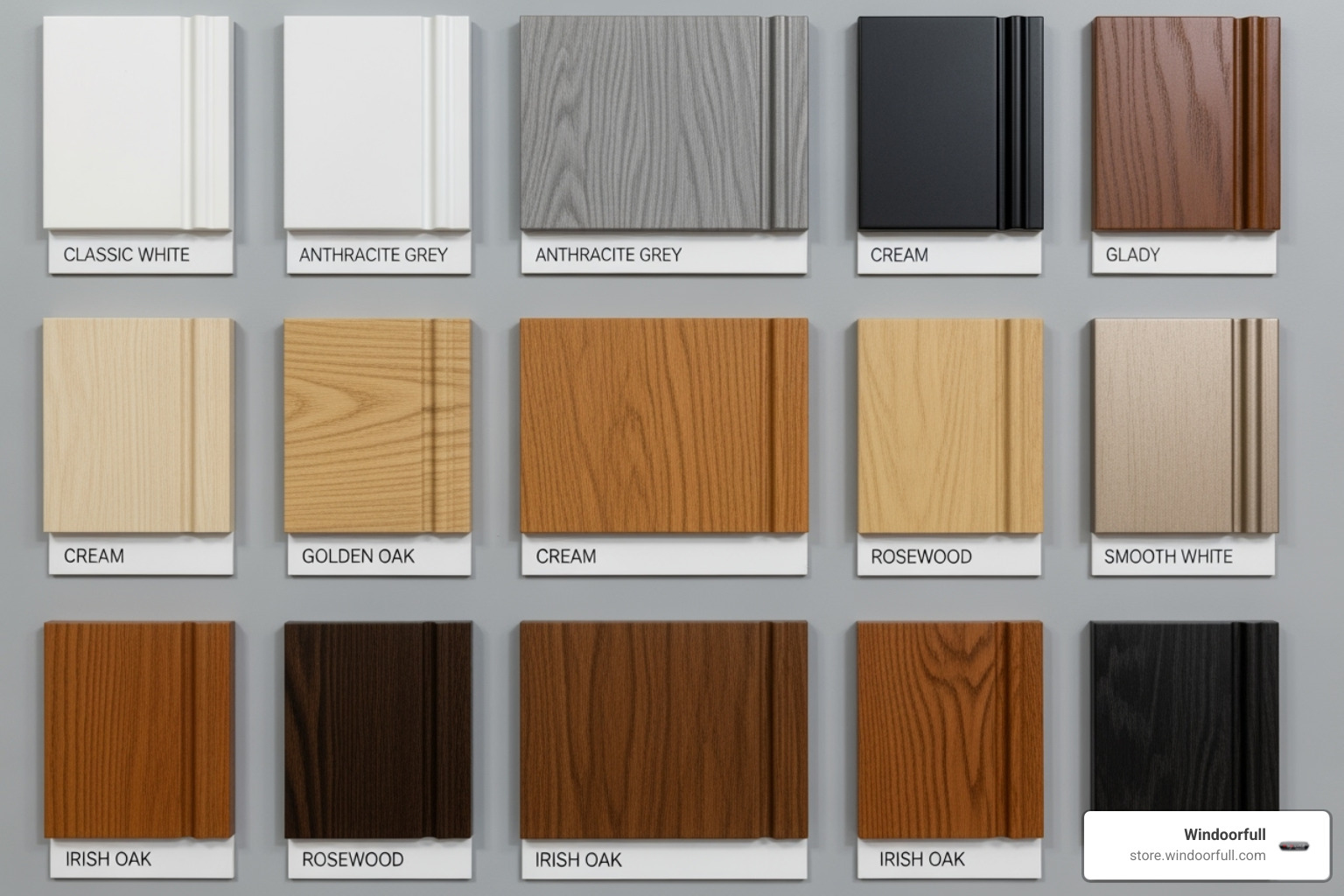
Modern imported uPVC windows offer a vast spectrum of customization options to match any architectural style.
Colors and finishes are achieved through different methods. For colored profiles, film lamination is the superior choice. A durable, UV-resistant foil is bonded to the uPVC, offering a huge range of realistic wood grain finishes, modern shades like grey and black, and custom RAL colors. This method is far more durable and color-stable than co-extrusion, which can fade or crack over time.
Hardware is the heart of your window's function and security. Handle styles are available in various finishes like chrome or matte black to complement your decor. The hallmark of European engineering is the multi-point locking system, which engages multiple locks around the sash for dramatically improved security and air sealing. These advanced systems are covered in our guide Smooth Moves: A Guide to Tilt-Turn Window and Door Hardware.
By selecting these options, your imported uPVC windows become a perfect aesthetic and functional fit for your project.
The Import Process: Lead Times and Delivery
Understanding import logistics is crucial for project planning. The journey from a European factory to your site involves several coordinated steps:
- Manufacturing: Typically takes 1 to 3 weeks after specifications are finalized.
- Ocean Freight: The longest leg, taking 3 to 6 weeks depending on ports and conditions.
- Customs Clearance: Upon arrival in the US, this process takes a few days to a week with proper documentation.
- Final Delivery: Once cleared, windows are transported from the port to their final destination, such as our local pickup facility in Ozone Park, New York.
In total, you should plan for a lead time of 6 to 12 weeks. Building a small buffer into your project schedule is a smart practice to account for any unforeseen delays. Clear communication with your importer is key to ensuring your imported uPVC windows arrive on time.
Frequently Asked Questions about uPVC Windows
Here are answers to the most common questions about imported uPVC windows.
How long do uPVC windows last?
Imported uPVC windows have a typical lifespan of 20-25+ years. Longevity depends on the quality of the uPVC profile, the hardware, and local climate conditions. A key advantage is that uPVC won't rot, warp, or rust, requiring only occasional cleaning to maintain its condition for decades.
Are uPVC windows environmentally friendly?
Yes, modern uPVC is a surprisingly green choice. Here's why:
- Recyclability: uPVC is 100% recyclable. Many European manufacturers use closed-loop systems to turn old frames into new products.
- Lead-Free Formulas: Reputable European manufacturers use lead-free stabilizers, making the product safer for your family and the environment.
- Energy Savings: The best environmental benefit is the energy savings. The superior insulation of imported uPVC windows reduces your heating and cooling needs, shrinking your home's carbon footprint over the window's long lifespan.
Can you paint uPVC window frames?
While it's technically possible with special paints, it's not recommended. A painted finish will not have the durability of a factory-applied one and is prone to peeling, fading, and chipping over time.
Laminated profiles are a much better solution. When ordering your imported uPVC windows, you can choose from a wide array of durable, factory-applied laminated films. These come in dozens of colors and realistic wood grains, are engineered to last the life of the window, and provide a far superior, longer-lasting finish than any paint job.
Conclusion
It's clear why imported uPVC windows are the smart choice for American homeowners and builders. They offer a gateway to superior comfort, significant energy savings, and long-term value that many domestic alternatives struggle to match.
The cost-effectiveness is compelling, with savings of 30-50% on premium European-engineered windows. Combined with a 20-25+ year lifespan and minimal maintenance, it's an investment that pays for itself.
However, it's the performance superiority that truly sets imported uPVC windows apart. Extremely low U-values (as low as 0.13 Btu/h·ft2·F) translate to real comfort and lower energy bills, year after year.
At Windoorfull, our mission is to bring you the best of European window engineering without the high price tag. We handle everything from sourcing and vetting manufacturers to navigating the complexities of international shipping and customs. You can pick up your windows from our facility in Ozone Park, New York, knowing they've been handled with expertise every step of the way.
Ready to see what European engineering can do for your project? See Clearly Now: The Ultimate Guide to Home Window Upgrades and experience the difference quality makes.
Explore our full range of European windows and doors and let's find the perfect solution for your home or project.