

Budgeting for Brilliance: Understanding Tilt and Turn Window Prices
Why Tilt and Turn Window Prices Matter for Your Home Investment
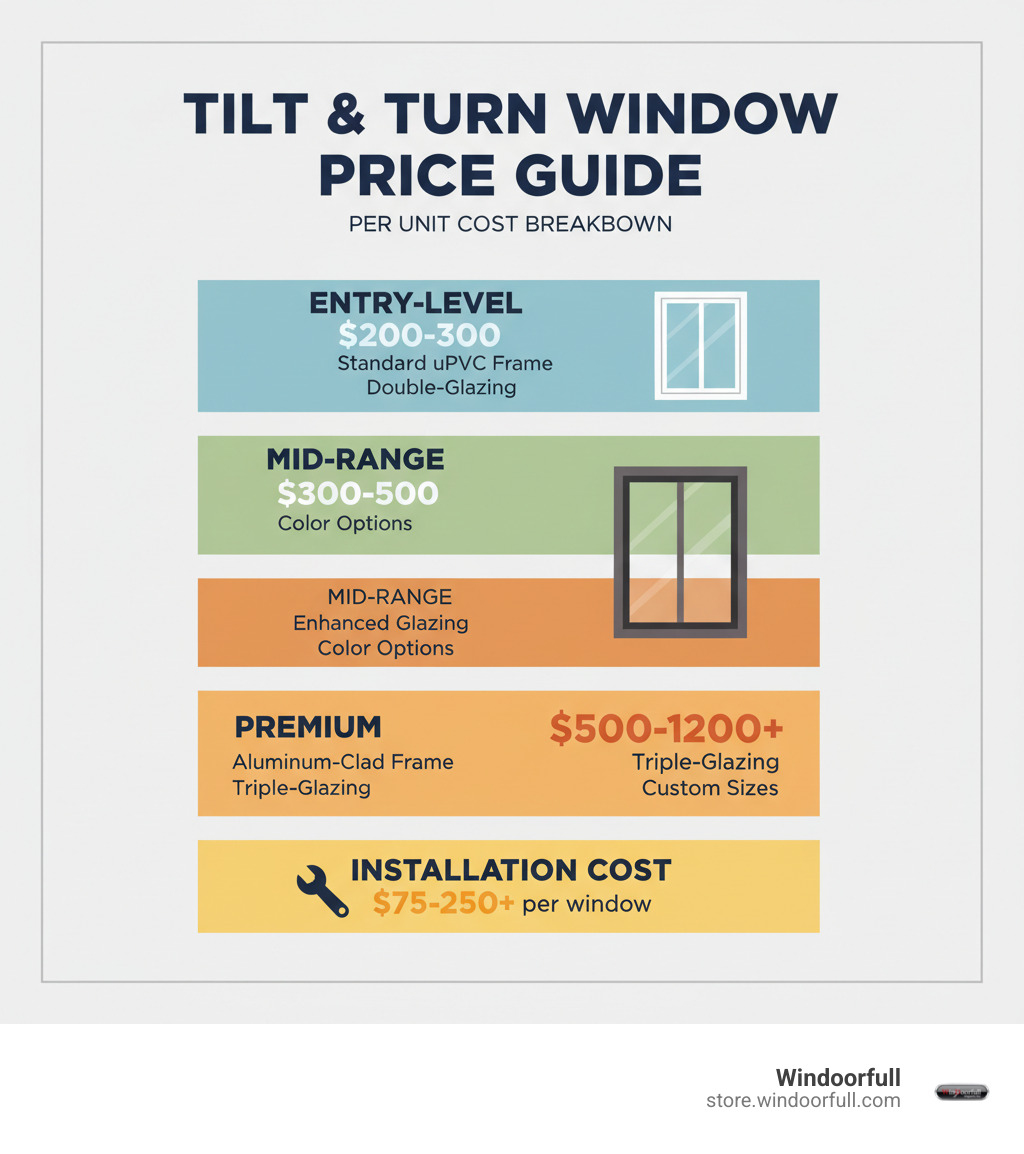
Tilt and turn windows price typically ranges from $200 to $1,200+ per window unit before installation, with most homeowners spending between $400 and $800 per window. Installation adds another $75 to $250+ per window, bringing total costs to approximately $475 to $1,450 per installed window for standard sizes.
Quick Price Overview:
- Entry-Level uPVC: $200-$300 per unit (standard sizes, double-glazing)
- Mid-Range uPVC: $300-$500 per unit (improved glazing, color options)
- Premium uPVC/Aluminum-Clad: $500-$1,200+ per unit (triple-glazing, custom sizes, advanced features)
- Installation: $75-$250+ per window
- Material Impact: uPVC offers the best value; aluminum-clad uPVC costs 40-60% more but provides slimmer profiles and improved durability
Understanding these costs helps you budget effectively and make informed decisions. Tilt and turn windows have evolved from a European novelty to a premium choice for homeowners seeking versatile functionality. When tilted inward from the top, they provide draft-free ventilation while maintaining security. When turned fully inward on side hinges, the entire sash opens like a door, making it easy to clean exterior glass from inside your home.
Their value lies in their dual-action operation, superior energy efficiency, and German-engineered hardware that lasts for decades. While basic windows cost less, tilt and turn windows deliver measurable savings through reduced energy bills, minimal maintenance, and increased property value.
Quick tilt and turn windows price definitions:
What Factors Influence the Price of Tilt and Turn Windows?
If you've shopped for tilt and turn windows, you've likely noticed that the tilt and turn windows price varies significantly. That's because you're investing in a sophisticated piece of European engineering where every component matters. Understanding what drives the cost helps you make smarter choices for your home.
Frame material is the biggest pricing factor. uPVC (unplasticized polyvinyl chloride) delivers excellent thermal insulation and durability at a reasonable cost, making it the most popular choice. For a premium option, aluminum-clad uPVC wraps an insulating uPVC core in a protective aluminum shell. This combination allows for slimmer profiles and extra durability, but it typically adds 40-60% to the base price.
Window size and dimensions directly impact cost. Larger windows require more material and more complex manufacturing. Custom dimensions also increase the tilt and turn windows price compared to standard sizes due to the individual fabrication required.
Glazing options are a key decision affecting both cost and comfort. Double glazing with a Low-E coating and argon gas offers solid performance for most climates. Triple glazing adds a third pane for dramatically improved energy efficiency and sound insulation, which is essential for extreme temperatures or noisy areas. We'll explore this in the next section, including how to understand U-factors. For technical details, see Beyond the Pane: What Makes Tilt-Turn Double Glazing Tick.
Hardware quality is a key differentiator for European tilt and turn windows. They feature sophisticated multi-point locking systems for exceptional security and weather sealing. The hinges must support the sash's weight in both positions while ensuring smooth operation for decades. Premium hardware costs more upfront but delivers long-term reliability. For a detailed look, read our guide Smooth Moves: A Guide to Tilt-Turn Window and Door Hardware.
Customization and finishes allow for personalization. Standard white uPVC is the most economical, but you can choose from hundreds of RAL colors. Woodgrain textures like Winchester or Golden Oak offer the warmth of wood without the maintenance. Dual-color frames create architectural interest but require more complex manufacturing. Security upgrades like reinforced glass add another layer of protection. Learn more at Hardware That Works: Top Tilt-Turn Solutions.
How Glazing Options Affect Cost and Performance
The glass in your windows controls heat transfer, filters UV rays, and dampens noise. Your glazing choice directly impacts both the tilt and turn windows price and your home's year-round comfort.
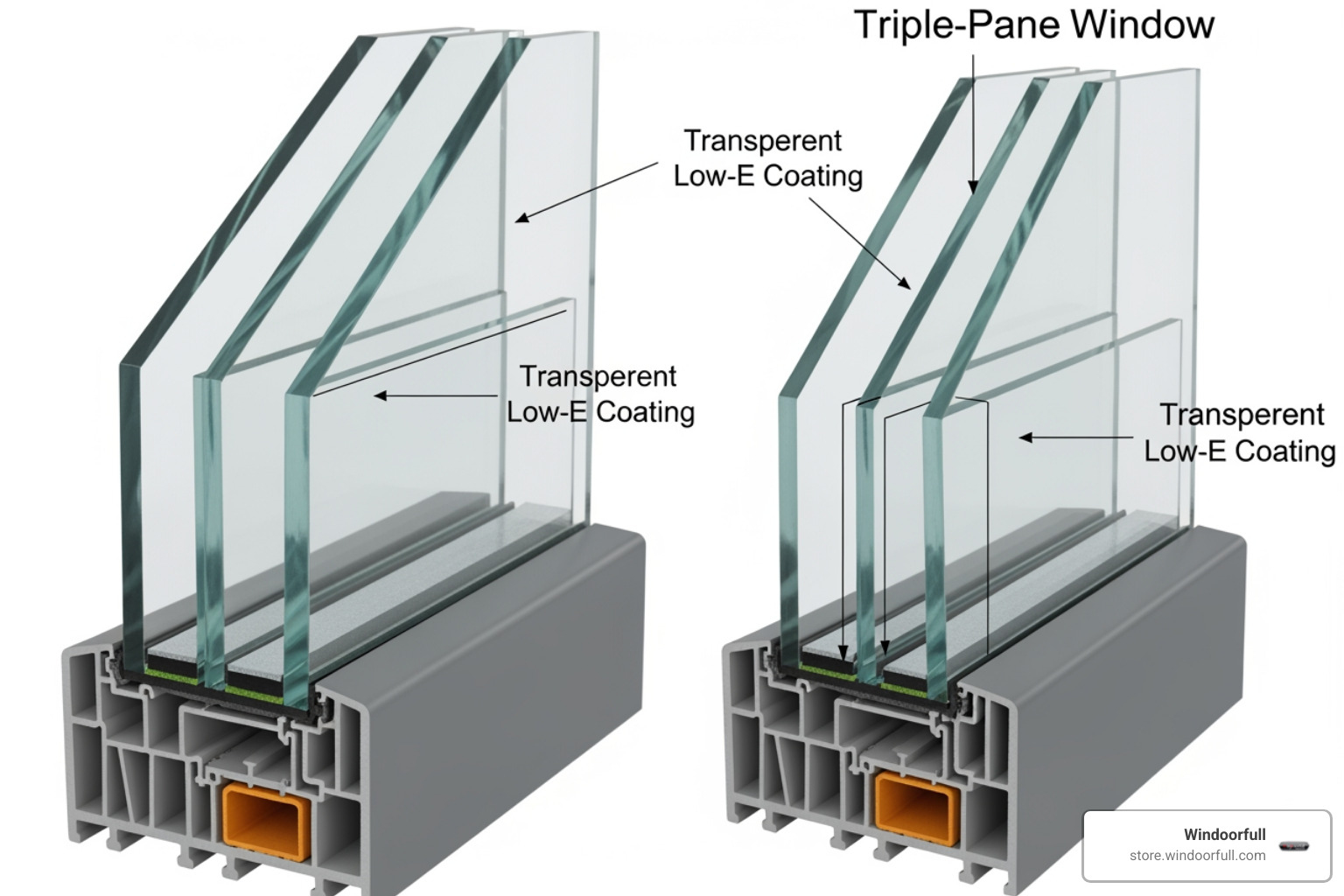
Double glazing is the modern standard. Two panes of glass create a sealed cavity filled with argon gas, which insulates better than air. A Low-E coating reflects heat, keeping warmth inside during winter and out during summer. Our European-engineered double-glazed windows achieve excellent U-factors between 0.24 and 0.28, delivering great value for moderate climates. Dive deeper in Beyond the Pane: What Makes Tilt-Turn Double Glazing Tick.
Triple glazing adds a third pane of glass and a second insulating cavity. The performance jump is substantial, with our units reaching U-factors as low as 0.13. If you live where winters are harsh or summers are scorching, this investment pays for itself through reduced energy costs. Triple glazing also significantly blocks more noise. While it costs more upfront, it's often the smartest long-term choice in extreme climates. For a full breakdown, read The Ultimate Comfort: Why Choose Triple Glazed Tilt and Turn Windows.
Understanding U-factors helps you compare windows objectively. This number measures how well a window prevents heat from escaping—lower numbers mean better insulation.
How Customization Affects the Final Tilt and Turn Windows Price
Customization transforms good windows into the perfect windows for your home. While European tilt and turn windows are inherently made-to-order, certain choices add complexity and cost.
Standard vs. custom dimensions create the first pricing split. We stock common sizes, which keeps costs reasonable. When you need a non-standard size for a unique opening, we manufacture it to your exact needs, but this individual fabrication increases the tilt and turn windows price.
Color choices range from economical to eye-catching. White uPVC is the base material and costs the least. For a specific aesthetic, you can choose from hundreds of RAL colors. Dual-color frames offer different colors inside and out, complementing both your interior and exterior design, but they require additional manufacturing steps.
Woodgrain finishes like Winchester or Golden Oak deliver the rich appearance of natural wood through advanced laminate technology, but they cost more than solid colors. You get the beauty without the maintenance issues of real wood.
Hardware finishes and upgrades let you match your windows to your home's style. Beyond the standard robust hardware, you can select premium handle designs from manufacturers like HOPPE SECUFORTE in finishes like brushed chrome, matte black, or polished brass.
Security upgrades provide extra peace of mind. While our windows include multi-point locking as a standard feature, you can go further with laminated glass, tempered glass, or reinforced frame components. For more details, see Hardware That Works: Top Tilt-Turn Solutions.
Every customization choice shapes your tilt and turn windows price, but it also creates a product that's uniquely yours.
The Complete Tilt and Turn Windows Price Breakdown
When planning your window project, understanding the tilt and turn windows price breakdown helps you make confident decisions. The total cost is shaped by materials, size, glazing, and customization.
Most homeowners spend between $200 and $600 per window unit before installation, though premium options can reach $1,200 or more. Once you understand what drives these costs, you can find the sweet spot between your budget and performance needs. For a detailed look at budgeting, check out Tilt and Turn Windows: What's the Damage to Your Budget?.
Average uPVC vs. Aluminum-Clad uPVC Tilt and Turn Windows Price
Your frame material choice makes the biggest impact on your tilt and turn windows price.
uPVC windows are our most popular choice, delivering outstanding thermal performance and durability with minimal maintenance. Our uPVC windows feature a 5-chamber profile system with steel reinforcement. The tilt and turn windows price for uPVC typically ranges from $200 to $600 per unit. For example, a standard 24" x 36" uPVC tilt and turn window is around $449.00.
Aluminum-clad uPVC windows are our premium tier, combining the insulation of a uPVC core with the sleek strength of an aluminum exterior. This allows for slimmer frames and larger glass areas. The aluminum cladding also provides exceptional durability and more color options. Expect to pay 40-60% higher than standard uPVC. A 36" x 60" aluminum-clad window might range from $690 to $885.
Price Tiers: Basic, Mid-Range, and Premium
Understanding the three main price tiers helps you see what you're getting at each level.
Basic tier windows ($200-$300 per unit) provide all the essentials: white uPVC frames, standard double-glazing with argon gas, and reliable hardware. They are thoughtfully engineered European windows at an accessible price.
Mid-range options ($300-$500 per unit) offer improved double-glazing with advanced Low-E coatings for better energy savings. This tier also includes more frame color choices, like attractive wood-grain finishes.
Premium windows ($500-$1,200+ per unit) represent the pinnacle of tilt and turn technology. This includes aluminum-clad uPVC frames, triple-glazing for maximum thermal and acoustic insulation, custom sizes, and advanced security features.
Typical Price Range for Common Sizes
Window size directly affects cost. Here's what you can expect to pay for common sizes (unit cost only):
- 24" x 36" window: uPVC options typically range from $320 to $550, while aluminum-clad versions run $600 to $900+.
- 36" x 48" window: A popular mid-size choice. uPVC models run $450 to $750, with aluminum-clad options at $800 to $1,200+.
- 48" x 48" window: For primary living spaces. Expect to invest $550 to $900 for uPVC or $1,000 to $1,500+ for aluminum-clad.
- 36" x 60" window: Perfect for rooms with high ceilings. uPVC models range from $500 to $800, while aluminum-clad options run $700 to $1,000+.
Real-world examples from our collection show how features affect pricing: a 24" x 36" tilt and turn window with a black exterior and white interior lists at $449.00, while larger European-engineered windows in the 36" x 48" range can run from $955.00 to $1,395.00 depending on options.
Comparing Costs: Tilt and Turn vs. Other Window Styles (for Context)
When evaluating the tilt and turn windows price, it's helpful to compare them against common American window styles. While tilt and turn windows are not the cheapest option, understanding the value you receive for the investment is key.
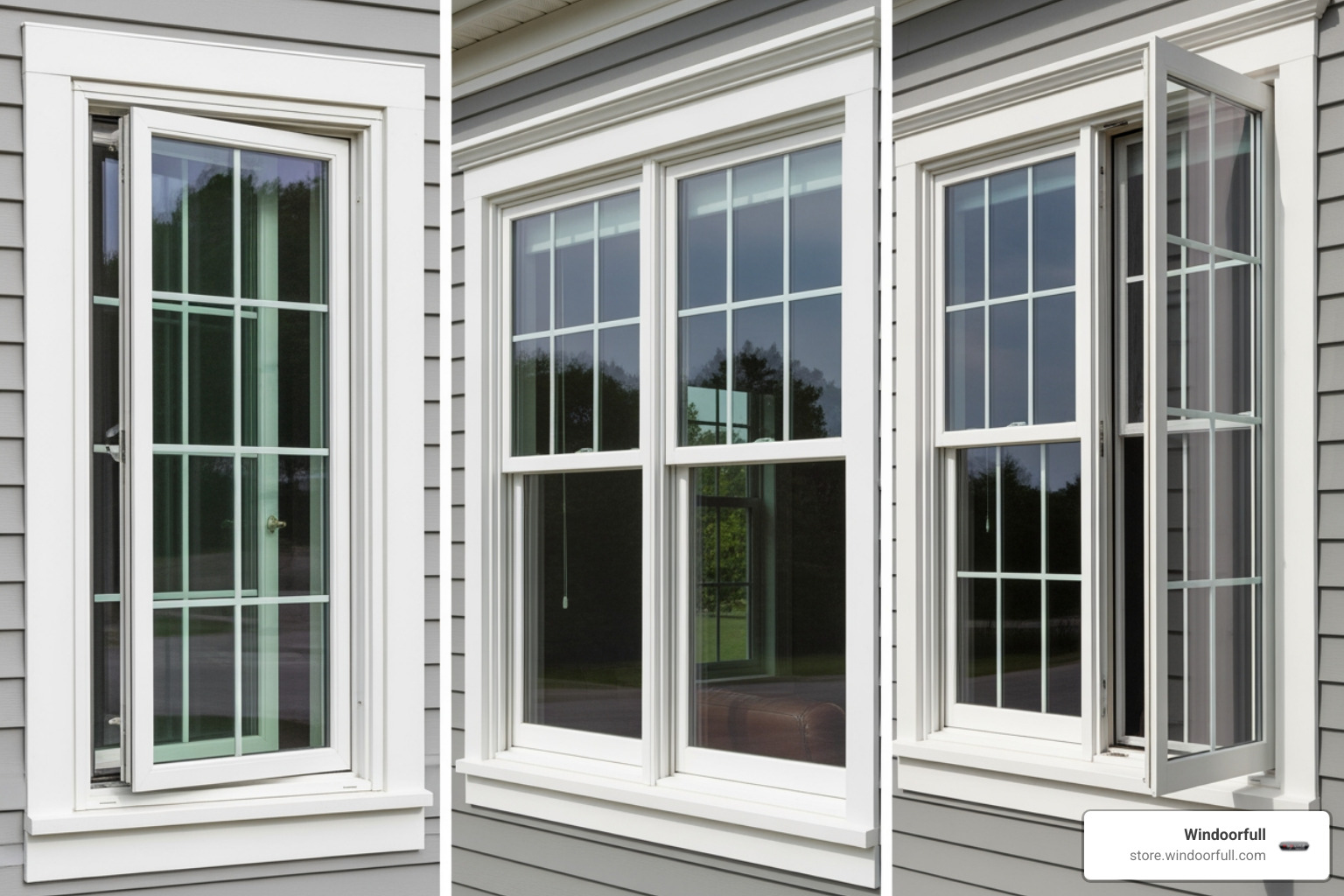
Tilt and Turn vs. Traditional Window Styles (for Context)
Traditional double-hung windows, where sashes slide up and down, are typically the most affordable but don't seal as tightly and require more maintenance. Casement windows, which crank outward, offer a better seal but are single-function: either open or closed, with no option for secure ventilation.
Generally, the tilt and turn windows price is about 10% to 20% higher than basic casement windows. This difference reflects the sophisticated German-engineered hardware, including multi-point locking systems and dual-action hinges that provide a superior seal.
What do you get for that extra investment? Dual functionality that no other style can match. Tilt the window for secure, draft-free ventilation, or turn it fully inward for easy cleaning from inside your home. The security is also far superior, as tilt and turn windows lock at multiple points around the frame, making them significantly more resistant to forced entry.
Finally, there's weather sealing. The hardware in quality tilt and turn windows often lasts for decades, while traditional windows may need new weather stripping or mechanisms every few years. Our article Which Window Wins? Tilt and Turn vs. Casement Explained details these differences.
While the upfront tilt and turn windows price is higher, many homeowners find them more cost-effective over their 30+ year lifespan due to energy savings and reduced maintenance.
Beyond the Sticker Price: Installation, Savings, and Long-Term Value
When considering the tilt and turn windows price, it's crucial to look beyond the initial purchase. The true value becomes apparent when factoring in installation, energy savings, and long-term contributions to your home's value. This holistic view reveals the excellent return on investment our European-engineered windows offer.
Additional Costs: Installation and Accessories
Proper installation is a key part of the overall tilt and turn windows price and is paramount for performance.
- Installation Costs: Professional installation for European tilt and turn windows typically ranges from $75 to $250+ per window, varying with project complexity and installer rates.
- Professional Installation Importance: We strongly recommend professional installation. European windows often require specific methods (e.g., using dowels or mounting anchors). An experienced installer ensures proper sealing and functionality, while improper installation can lead to drafts, water damage, and voided warranties.
- Insect Screens: Unlike in Europe, insect screens are a necessity in most of the USA. They are often an accessory that needs to be ordered separately, so factor this into your budget.
- Window Treatments: Because these windows open inward, you'll need specialized treatments like internal blinds that move with the window or curtains that can be easily drawn back. These can add $100 to $500 to your costs.
Long-Term Value and Ways to Reduce Costs
The long-term value of our tilt and turn windows significantly outweighs their upfront tilt and turn windows price.
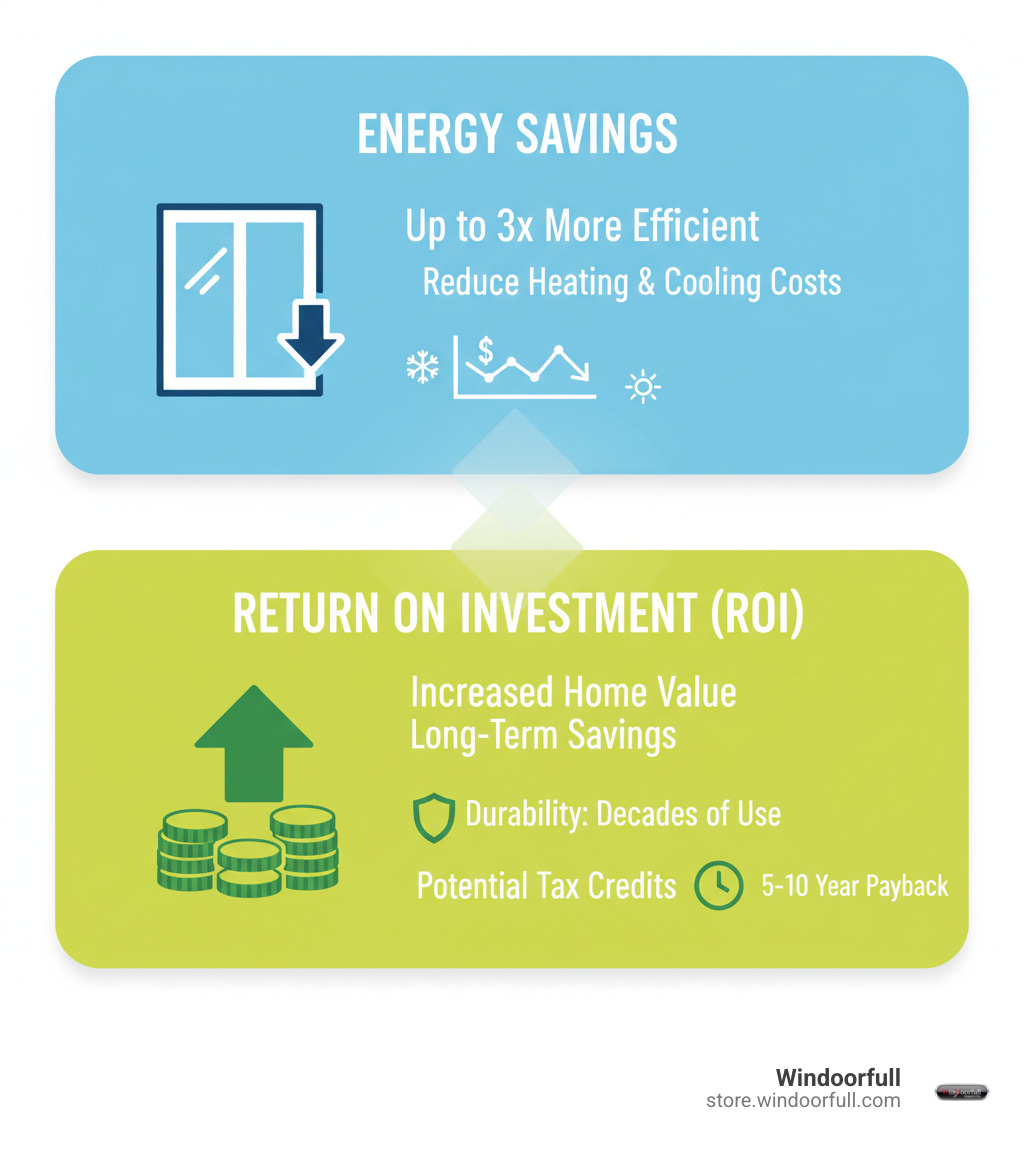
- Energy Bill Reduction: Our European-engineered uPVC windows create a superior thermal barrier with multi-chamber profiles, advanced glazing, and Low-E coatings. This can reduce heating and cooling costs by up to three times compared to older windows.
- Durability and Low Maintenance: The robust construction of our frames and high-quality hardware ensures exceptional durability. Our windows are built to last for decades, translating to significantly lower maintenance costs over their lifespan.
- Increased Home Value: Premium tilt and turn windows improve your home's aesthetic, functionality, and energy performance, making it more attractive to potential buyers and potentially increasing its market value. For more on this, visit The Smart Choice for Modern Homes: Why Tilt and Turn Windows Belong in Your USA Home.
- Tax Credits and Rebates: To reduce the net tilt and turn windows price, homeowners can explore various incentives. Federal tax credits, state programs, and local utility promotions are often available for energy-efficient upgrades. We recommend checking the Database of State Incentives for Renewables & Efficiency for current offerings.
Frequently Asked Questions about Tilt and Turn Window Costs
We hear common questions from homeowners about the tilt and turn windows price, installation, and overall value. Let's address them so you can make informed decisions.
Are tilt and turn windows more expensive than standard windows?
Yes, you'll typically pay 10% to 20% more for tilt and turn windows compared to basic American styles like double-hung or casement windows. The higher tilt and turn windows price reflects the sophisticated German-engineered hardware, including precision multi-point locking systems that create an airtight seal and enable dual functionality.
Our European-engineered windows also meet higher performance standards for energy efficiency and durability right out of the box. While the upfront cost is higher, the long-term value from reduced energy bills and minimal maintenance consistently justifies the initial investment.
Can I install a tilt and turn window myself to save money?
We do not recommend DIY installation for European tilt and turn windows. Our windows use specialized installation methods (like dowels or mounting anchors) that differ from typical American windows with nailing flanges. Proper installation is crucial for performance.
An incorrectly installed window can leak air and water, compromising energy efficiency and negating the benefits you paid for. Furthermore, improper installation will void your warranty. The professional installation cost, typically $75 to $250+ per window, is a reasonable price to protect your larger investment and ensure everything works as designed.
Do larger tilt and turn windows cost significantly more?
Yes, size is a major factor in the tilt and turn windows price. Larger windows cost considerably more, and the price can accelerate with size. This is due to the increased cost of materials, especially for larger glass panes (like triple glazing or laminated glass).
Larger windows also require additional structural support, such as steel reinforcement within the uPVC profile, to prevent warping. Finally, the weight and size of large windows increase installation complexity and cost. Always get custom quotes for your specific window sizes rather than relying on general estimates.
Conclusion: A Worthwhile Investment in Your Home
Throughout this guide, we've unpacked the factors that shape the tilt and turn windows price, from frame materials to glazing options. While the initial investment might be 10-20% higher than basic window styles, these windows are a long-term investment in your home's comfort, security, and efficiency.
European-engineered windows deliver what standard American windows cannot. The dual-action operation provides secure, draft-free ventilation and allows for easy cleaning. The multi-point locking systems offer superior security, and the energy efficiency can dramatically cut heating and cooling costs.
The upfront tilt and turn windows price may seem high, but these windows last for decades with minimal maintenance and can genuinely increase your home's market value. For homeowners planning to stay for 5-10 years or more, the investment often pays for itself through energy savings alone.
At Windoorfull, we bring authentic European engineering to American homes at prices that make sense. We offer a solution that improves how you live in your home through better insulation, easier cleaning, and improved security. These are the real-world benefits our customers experience every day.
Ready to see what European-engineered windows can do for your home? Explore our collection of high-performance uPVC windows and find why so many homeowners are making the switch. If you're in the New York area, stop by our Ozone Park location to see the quality firsthand.
