

The Great Window Debate: Aluminium or uPVC, What's Best for Your Home?
Making the Right Choice for Your Home
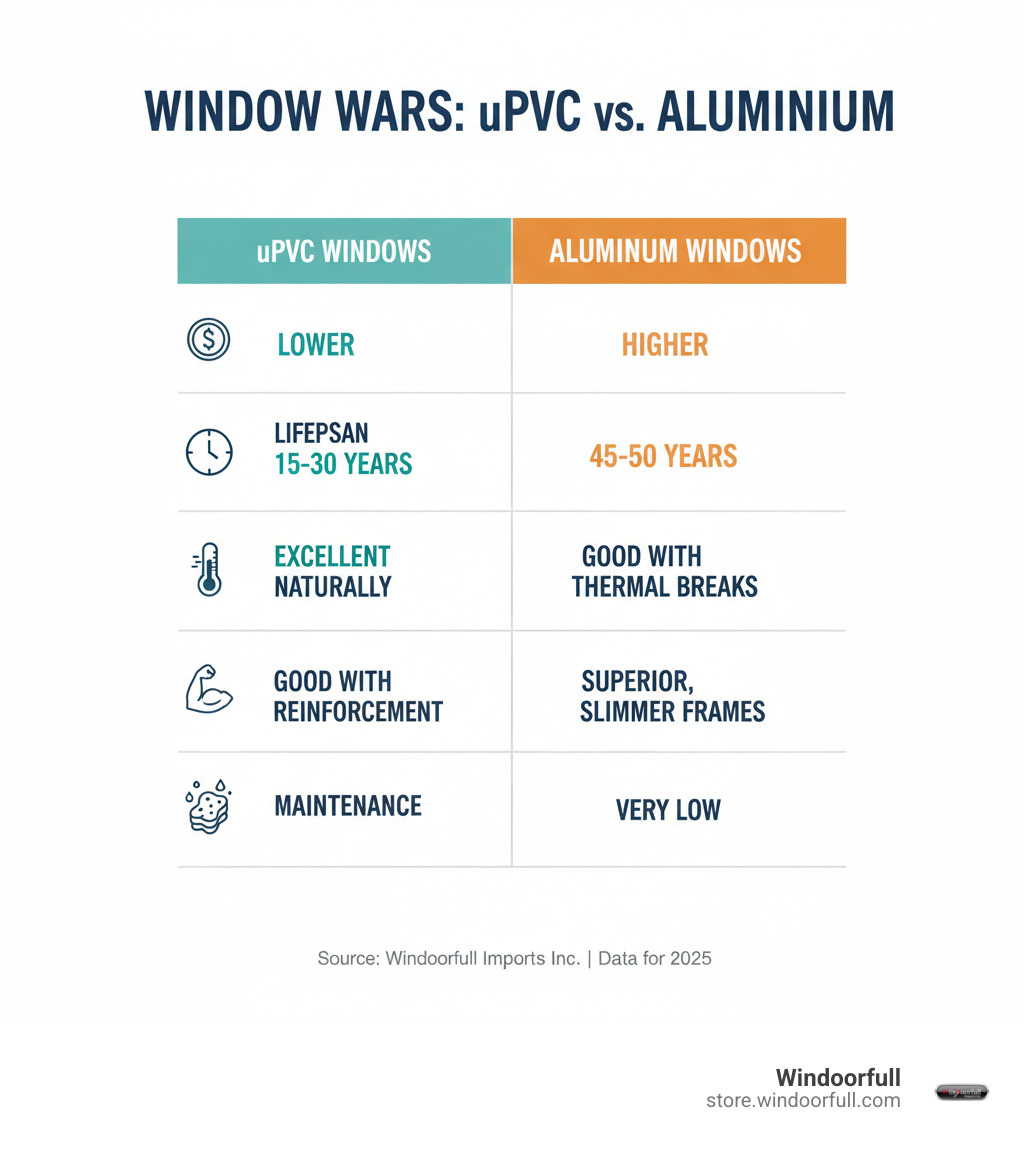
Are aluminium windows better than upvc? The answer depends on your priorities. Here's a quick comparison:
| Factor | uPVC Windows | Aluminium Windows |
|---|---|---|
| Best For | Budget, insulation, soundproofing | Longevity, slim frames, modern aesthetics |
| Lifespan | 15-30 years | 45-50 years |
| Cost | Lower initial investment | 70-200% more expensive |
| Energy Efficiency | Naturally insulating | Requires thermal breaks |
| Maintenance | Very low | Very low |
| Frame Profile | Thicker | Slimmer, more glass area |
Choosing new windows is a major renovation decision. The uPVC vs Aluminium debate impacts everything from your energy bills to your home's curb appeal. Both materials have distinct advantages, and the "better" choice is personal.
Your budget, home style, and long-term performance goals all play a role. Aluminium windows can last up to 50 years but may cost three times more than uPVC. In contrast, uPVC offers better soundproofing and excels in coastal conditions but typically needs replacing after 25 years. Aluminium frames are slimmer, allowing for more glass and natural light.
This guide breaks down durability, thermal performance, aesthetics, cost, maintenance, security, and environmental impact to help you decide.
Quick look at are aluminium windows better than upvc:
Understanding the Materials: uPVC vs. Aluminium
To answer are aluminium windows better than upvc, we first need to understand the materials themselves.
What are uPVC and Aluminium Windows?
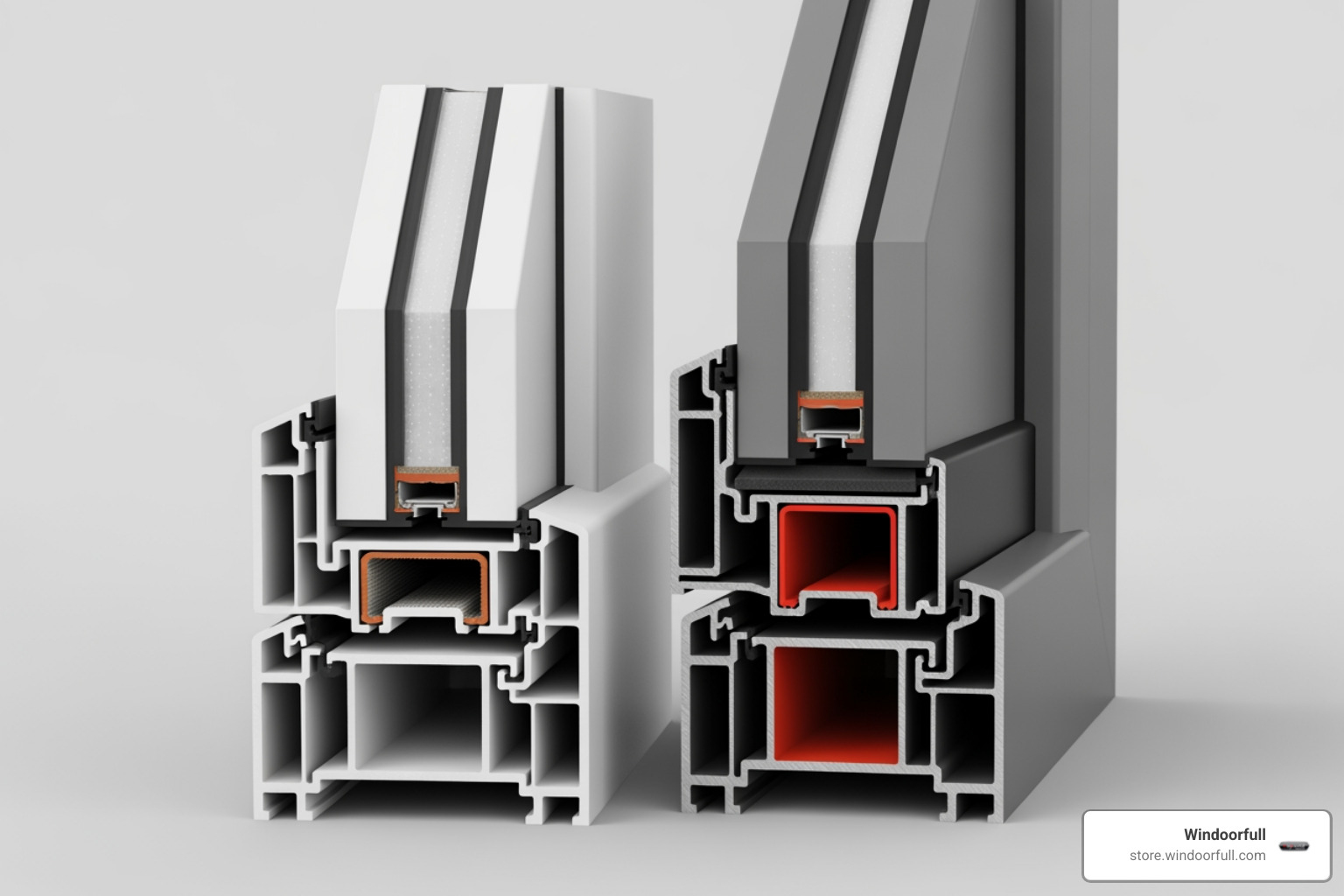
uPVC stands for un-plasticized polyvinyl chloride. Unlike regular PVC, it has no plasticizers, making it rigid and tough. Think of uPVC as the workhorse of window materials—it won't rot, rust, or corrode, making it ideal for any climate, including coastal areas. The material is extruded into multi-chambered profiles that trap air, making uPVC windows excellent natural insulators. Our European-style uPVC windows at Windoorfull feature these designs for superior thermal performance.
Aluminium is a lightweight yet incredibly strong metal used in everything from aircraft to skyscrapers. Its frames are also created through extrusion, resulting in sleek, modern, and durable profiles. The main drawback is that aluminium naturally conducts heat. However, modern manufacturing solves this with "thermal breaks," which we'll cover later.
Structural Integrity and Frame Design
In terms of raw strength, aluminium wins. Its robustness allows for remarkably slim frames—sometimes half the width of uPVC. Slimmer frames mean more glass, which translates to more natural light and better views. This makes aluminium the top choice for a modern, minimalist aesthetic. The material's lightness also makes large windows and sliding doors easier to operate, with systems capable of handling panels up to 10 feet tall.
uPVC isn't as inherently strong, so its frames rely on internal steel reinforcement for structural integrity. This reinforcement works well but requires the profiles to be thicker than aluminium. However, modern uPVC windows feature much slimmer profiles than older generations, moving beyond the clunky white plastic frames of the past. Today's uPVC comes in various colors and refined designs. Our European uPVC tilt and turn windows at Windoorfull showcase how sophisticated, sturdy, and efficient modern uPVC can be.
So, when asking are aluminium windows better than upvc for frame design, it depends. Aluminium offers ultra-slim frames for contemporary homes, while uPVC provides reliable strength and refined aesthetics, especially if budget and thermal performance are priorities.
Are Aluminium Windows Better Than uPVC? A Head-to-Head Comparison
Let's put these two materials side by side to see how they truly compare where it matters most.
| Factor | uPVC Windows | Aluminium Windows |
|---|---|---|
| Lifespan | 15-30 years (typically 25 years) | 45-50 years (typically 45 years) |
| Initial Cost | Lower (Most budget-friendly) | 70-200% more expensive |
| Thermal Efficiency (U-Factor) | 0.13 (Excellent, natural insulator) | 0.16 (Good, requires thermal breaks) |
| Maintenance | Very low (Wipe clean, no painting) | Very low (Wipe clean, no rust) |
| Frame Thickness | Thicker (Requires internal reinforcement) | Slimmer (Inherently strong) |
| Soundproofing | Better (Inherent properties, tight seal) | Good (Relies heavily on glazing) |
| Corrosion Resistance | Excellent (Especially coastal) | Good (With powder coating) |
Durability, Lifespan, and Weather Resistance
Windows are a long-term commitment. Aluminium windows are built for the long haul, with a lifespan of 45 to 50 years. They won't warp in the heat or fade over time. When finished with a powder coating, they resist corrosion and environmental wear exceptionally well.
uPVC windows have a lifespan of 15 to 30 years, with most homeowners considering replacement around the 25-year mark. However, uPVC has a unique advantage in coastal areas. Its inherent resistance to corrosion means it thrives where salt air is harsh. While coated aluminium can handle coastal environments, uPVC requires virtually no special attention.
Modern uPVC includes UV-resistant coatings and advanced formulations, so the old reputation for discoloration is no longer fair. For durability, aluminium wins on pure longevity, but modern uPVC is a tough contender, especially in coastal regions.
Thermal Performance and Energy Efficiency
Your window's thermal performance directly impacts your heating and cooling bills. uPVC is a natural champion here, as it inherently resists heat transfer. This makes a uPVC frame an effective barrier against outside temperatures. The numbers back this up: uPVC windows can achieve an excellent U-Factor of 0.13 (lower is better).
Aluminium, as a metal, naturally conducts heat. Older aluminium windows were inefficient for this reason. However, modern high-quality aluminium windows incorporate thermal breaks—polyamide plastic inserts that interrupt heat transfer. With these breaks, aluminium windows can achieve impressive energy efficiency, with a typical U-Factor around 0.16, which is still very good.
That for larger windows, the glass is more important than the frame. Double or triple glazing often has a greater impact on overall thermal performance than the frame material alone. To learn more, read our guide, Window Wisdom: Decoding Thermal Performance Ratings.
Aesthetics and Design Versatility
Windows define your home's character. Aluminium windows are known for their slim, minimalist, and contemporary look. Their strength allows for narrow sightlines, which means more glass, more light, and a better view. Aluminium can also be shaped into almost any design, from curves to massive picture windows.
The color options are vast. Powder coating offers over 200 RAL colors, and you can even have different colors on the interior and exterior faces, offering incredible design flexibility.
uPVC's reputation for being chunky is outdated. Modern uPVC profiles are much slimmer and more refined than their predecessors. While not as razor-thin as aluminium, they are far from bulky. uPVC shines in its versatility, offering around 30 veneer colors, including realistic woodgrain foils that mimic timber without the maintenance. This makes uPVC suitable for everything from Victorian homes to modern builds. For more on this, see The Ultimate Guide to High-Quality uPVC Windows.
When weighing are aluminium windows better than upvc aesthetically, it depends on your vision. Aluminium delivers an ultra-modern, architectural look, while uPVC offers attractive, versatile styling for a wider range of homes.
The Practicalities: Cost, Maintenance, and Security
Beyond looks, practical considerations like cost, upkeep, and safety are crucial. Let's break down these real-world factors.
Are aluminium windows better than uPVC in terms of cost?
Upfront, uPVC windows are the clear winner for cost-effectiveness. Aluminium windows carry a premium, typically costing 70% to 200% more than comparable uPVC options. This reflects the higher cost of raw materials and more complex manufacturing.
However, the true cost is measured over time. uPVC windows last 15 to 30 years, while aluminium windows can perform for 45 to 50 years. This longevity can impact your long-term return on investment, especially if you plan to stay in your home for decades. While installation costs are similar, the material price is the main differentiator. For those on a tighter budget, uPVC is the more economical path. If you value exceptional longevity, aluminium's premium may be worthwhile.
Maintenance and Security
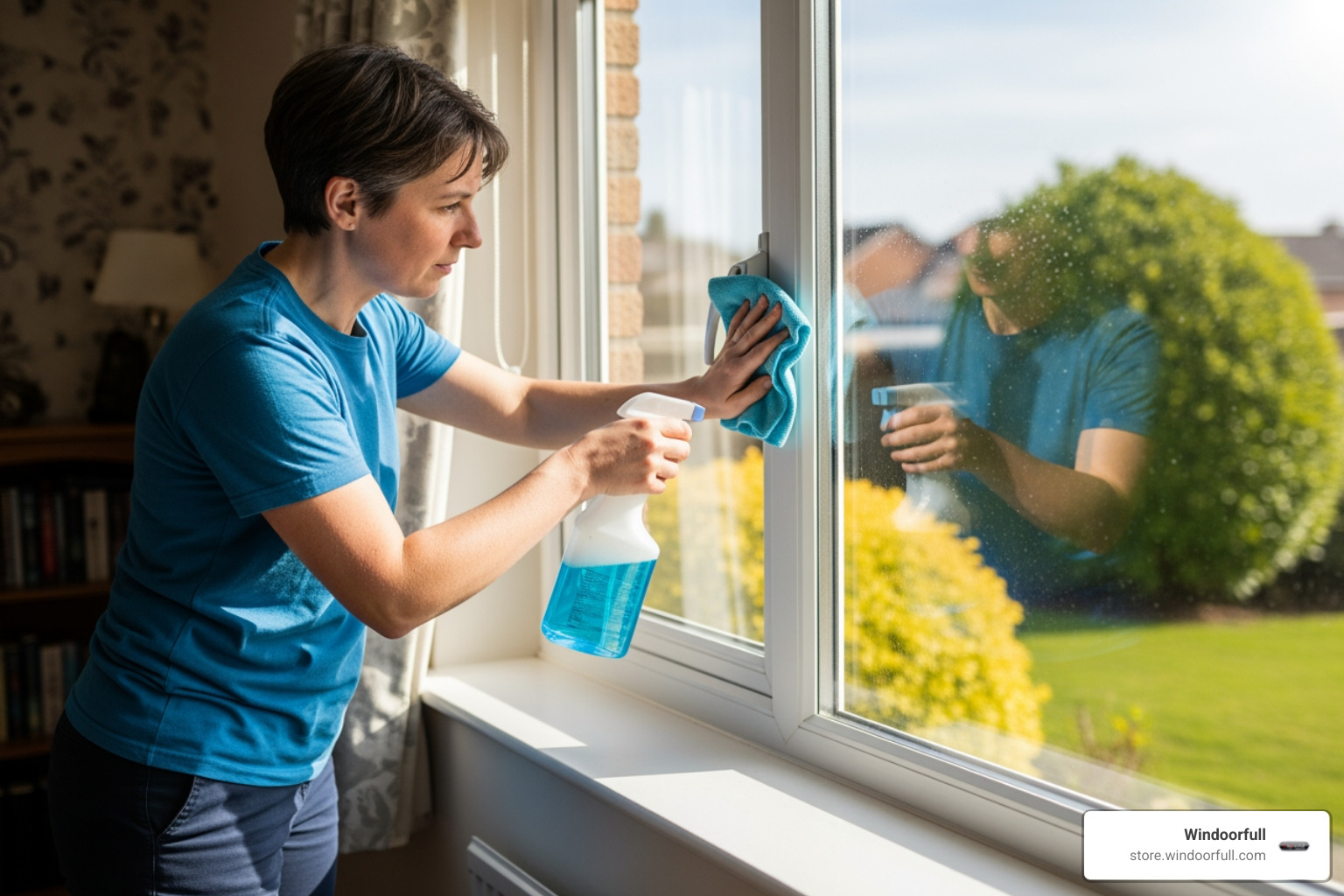
Fortunately, both materials are remarkably low-maintenance. Cleaning uPVC and aluminium windows requires just a simple wipe-down with soapy water. Neither material needs painting, sealing, or staining. uPVC naturally resists rot and corrosion, a huge plus in damp or coastal areas. Aluminium, with its modern powder-coated finishes, also doesn't rust, warp, or fade.
When it comes to security, both materials provide robust protection. Aluminium has an inherent strength advantage, being a solid metal that's difficult to force. uPVC frames, while not as naturally strong, are reinforced with internal steel to provide serious structural integrity.
However, the frame is just one piece of the security puzzle. The most critical factors are the quality of construction, the glazing, and the locking systems. Look for windows with multi-point locking systems, which secure the frame at several points and make it incredibly difficult to pry open. At Windoorfull, our European uPVC windows come standard with these advanced locking systems, ensuring top-tier security.
Soundproofing Capabilities
If you live near a busy street, soundproofing is essential. Here, uPVC has a noticeable advantage. The material is non-conductive and naturally dampens vibrations. Its multi-chambered profiles help absorb sound waves, creating a quieter indoor environment.
Aluminium, being a metal, can conduct sound vibrations more readily. However, the biggest factor in acoustic insulation is the glass. Double or triple glazing will have a much more dramatic impact on noise reduction than the frame material alone. Laminated glass, with a special sound-absorbing interlayer, offers an exceptional barrier against noise for either frame type.
Our European-style uPVC tilt and turn windows at Windoorfull, paired with quality glazing, create an impressive sound barrier that can transform a noisy space into a peaceful sanctuary.
Environmental Impact and Ideal Applications
Let's consider the environmental footprint of uPVC and aluminium, and then explore where each material truly shines.
Sustainability and Eco-Friendliness
The environmental story for both materials is complex. Aluminium is endlessly recyclable without losing quality, and recycling it uses a fraction of the energy needed for initial production. However, producing primary aluminium from bauxite ore is very energy-intensive.
uPVC can be recycled up to seven times, reducing waste and demand for virgin materials. While historically more uPVC ended up in landfills, recycling programs are improving. uPVC also requires less energy to manufacture initially compared to aluminium, giving it a lower carbon footprint in that phase.
Both materials are making strides in sustainability. The choice involves weighing aluminium's long-term recyclability against uPVC's lower initial production impact.
So, are aluminium windows better than uPVC for certain homes?
The answer to are aluminium windows better than upvc depends entirely on your project's goals.
Choose Aluminium for:
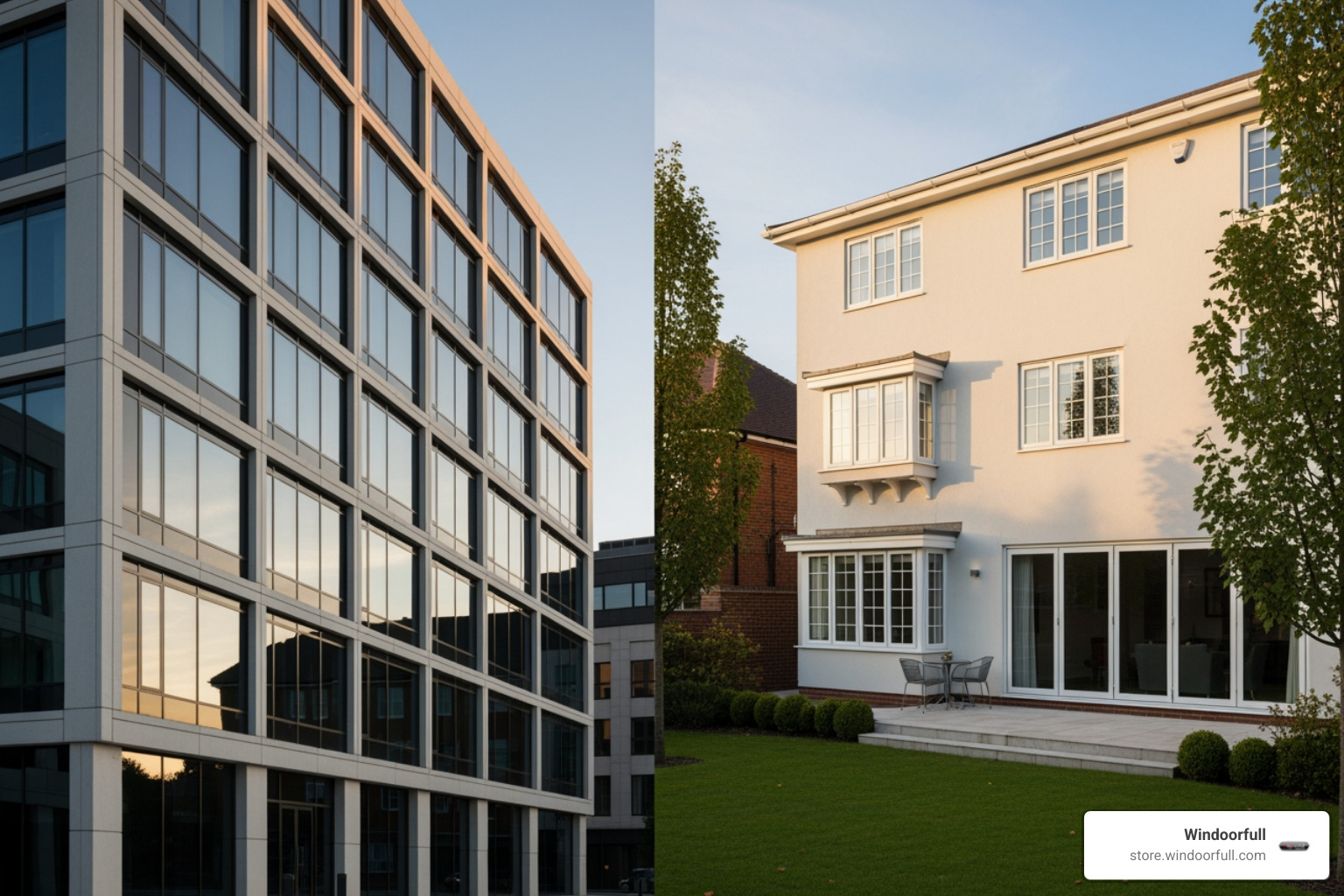
- Modern Aesthetics: Ideal for contemporary homes and commercial buildings where sleek, thin frames are desired.
- Large Windows: Its strength supports expansive glass areas, picture windows, and large sliding doors with minimal frame obstruction.
- Longevity & Premium Projects: A 45-50 year lifespan justifies the investment for high-end builds where longevity is paramount.
Choose uPVC for:
- Budget-Driven Projects: Offers the best balance of quality and affordability for residential properties.
- Insulation & Soundproofing: The material's natural properties make it a top choice for energy efficiency and noise reduction.
- Coastal Conditions: Excellent corrosion resistance makes it perfect for homes exposed to salt air.
Climate also matters. uPVC is a consistent performer in all climates, while aluminium requires high-quality thermal breaks to be effective in colder regions. The right choice depends on your home's style, budget, and performance priorities.
Frequently Asked Questions about Aluminium vs. uPVC Windows
Here are answers to the most common questions homeowners have when deciding between these two materials.
Which window material is more expensive?
uPVC is the more budget-friendly option for the initial purchase. Aluminium is a premium material, costing anywhere from 70% to 200% more upfront. This price difference is due to raw material costs and more complex manufacturing. However, aluminium's longer lifespan (45-50 years vs. 15-30 for uPVC) can offer better long-term value, depending on how long you plan to stay in your home.
Do modern aluminium windows still get condensation?
No, this is a problem of the past. Older aluminium windows were prone to condensation because the metal frame would get cold. Modern aluminium windows use thermal break technology—an insulating polyamide barrier built into the frame. This barrier separates the interior and exterior frame surfaces, preventing heat transfer and keeping the inside surface warmer, which dramatically reduces or eliminates condensation.
Which material is stronger and more secure?
In terms of raw strength, aluminium is stronger. It's a rigid metal that's inherently difficult to bend or break. However, this doesn't mean uPVC is weak. Quality uPVC windows are reinforced with internal steel, giving them excellent strength and rigidity.
A window's security depends on the entire system. Both materials can be extremely secure when paired with high-quality glazing and, most importantly, robust multi-point locking systems. These locks, combined with strong hardware, provide the best protection against forced entry, regardless of frame material.
The Final Verdict: What's Best for Your Project?
So, are aluminium windows better than uPVC? The truth is, neither is universally superior. The best choice depends entirely on your priorities, budget, and home style.
Choose uPVC if you prioritize:
- Budget: It offers significant upfront savings.
- Insulation & Soundproofing: It naturally excels at keeping your home warm, quiet, and energy-efficient.
- Low Maintenance in Harsh Climates: Its corrosion resistance is ideal for coastal areas.
Choose Aluminium if you prioritize:
- Longevity: With a 45-50 year lifespan, it's a long-term investment.
- Modern Aesthetics: Slim frames and large glass areas are perfect for contemporary designs.
- Maximum Design Flexibility: It offers superior strength for large windows and a vast array of color options.
At Windoorfull, we specialize in high-performance uPVC tilt and turn windows, bringing authentic European engineering to American homeowners at sensible prices. Our windows combine superior energy efficiency, robust security, and versatile functionality. We believe they offer an unbeatable combination of performance and value.
The most important step is to make an informed decision based on your specific needs. Consider your budget, how long you'll be in the home, and the style you want to achieve.
Ready to explore options that deliver authentic European quality at American-friendly prices? Explore our collection of high-performance uPVC windows and find how Windoorfull can help you find the perfect windows for your project.